
The food processing industry is a vital component of the global economy, converting raw agricultural products into the consumable goods that feed billions of people daily. However, it also generates significant quantities of wastewater that can pose environmental, regulatory, and operational challenges. Effective wastewater analysis in food processing is critical not only for maintaining compliance with local and federal regulations but also for advancing sustainability goals and protecting public health.
This article explores the importance of wastewater analysis in the food processing sector, discusses key contaminants, outlines regulatory requirements, and offers strategies to ensure environmental compliance and long-term sustainability.
Understanding Wastewater in Food Processing
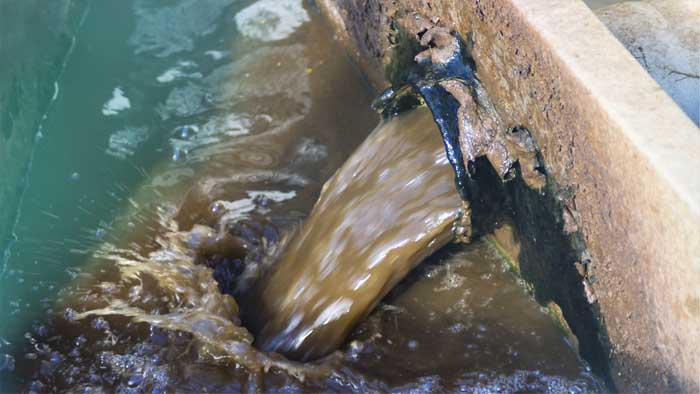
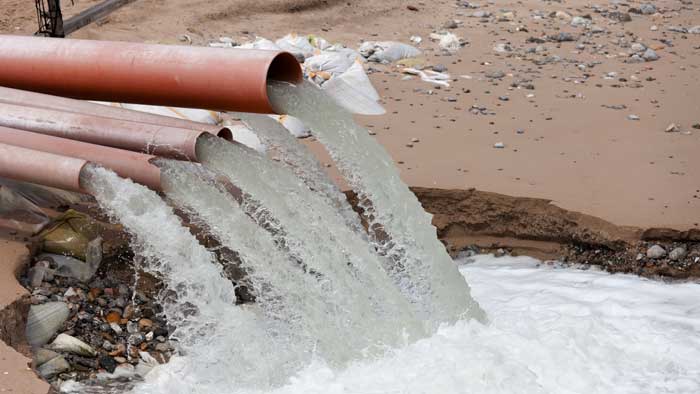
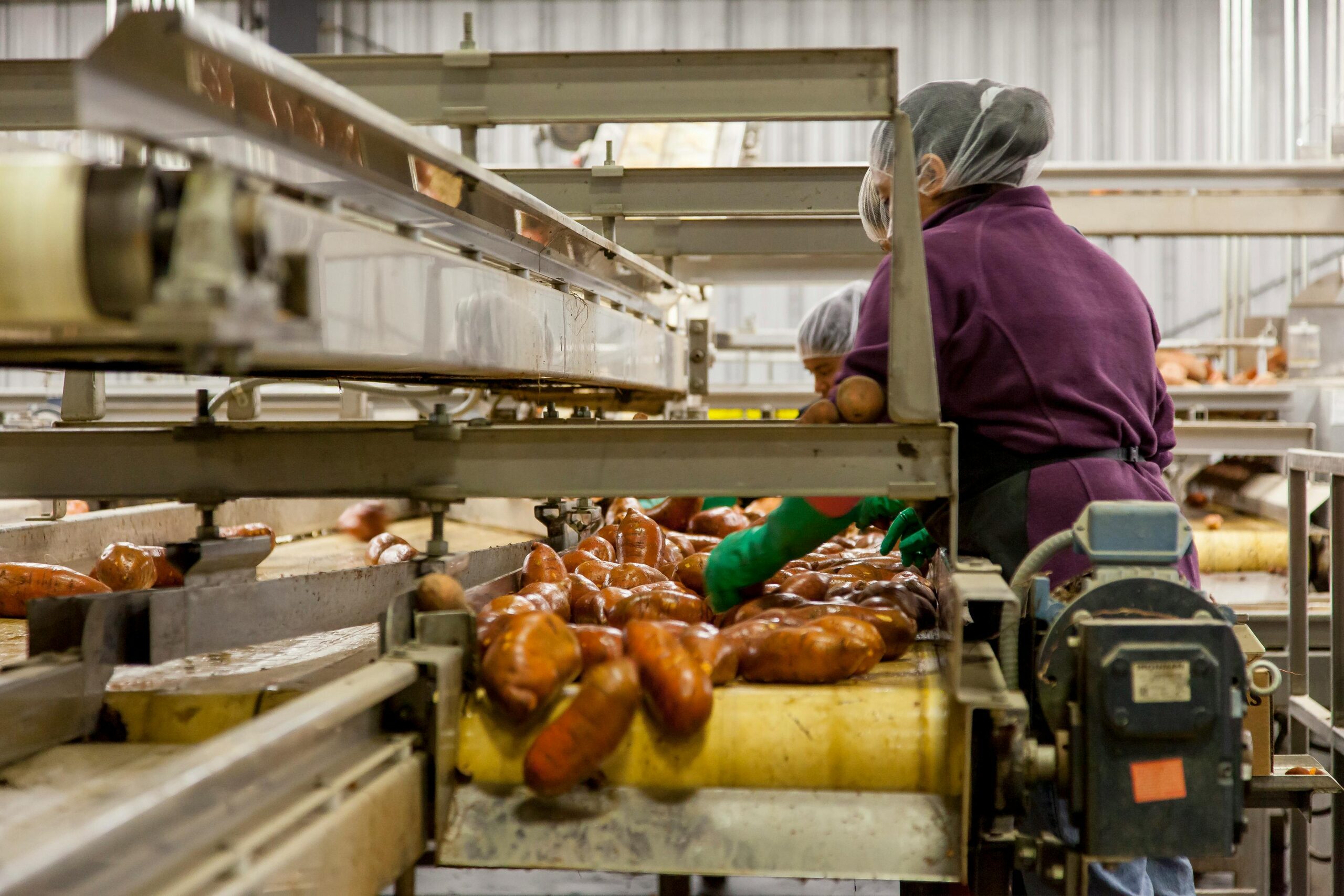
Wastewater from food processing facilities originates from a variety of operations including cleaning, cooking, cooling, sterilization, and rinsing. Depending on the specific type of food being processed—whether dairy, meat, vegetables, or beverages—the characteristics and composition of wastewater can vary greatly.
Common Sources of Food Processing Wastewater
- Wash water from equipment and produce
- Boiler blowdown and cooling water
- Cleaning-in-place (CIP) systems
- Spillage and floor washing
- Waste from raw material handling and product loss
These wastewater streams often contain high concentrations of organic matter, fats, oils, and grease (FOG), nutrients (like nitrogen and phosphorus), suspended solids, and pathogens.
Why Wastewater Analysis Is Essential
Regular and precise wastewater analysis is crucial for multiple reasons:
1. Regulatory Compliance
Governments enforce strict regulations to prevent environmental pollution. Agencies like the U.S. Environmental Protection Agency (EPA) and local authorities have established standards for industrial discharge. Failing to comply can lead to:
- Fines and legal penalties
- Shutdowns or permit suspensions
- Reputational damage
Facilities must monitor and report wastewater characteristics such as Biochemical Oxygen Demand (BOD), Chemical Oxygen Demand (COD), Total Suspended Solids (TSS), pH, and FOG levels.
2. Environmental Protection
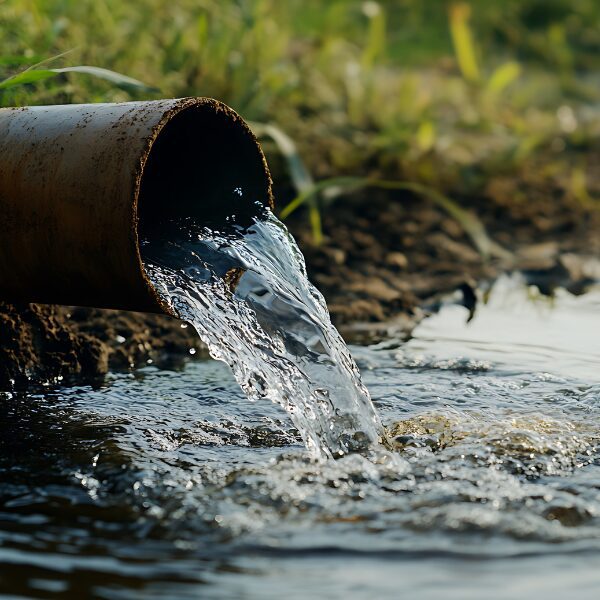
Untreated or improperly managed food processing wastewater can severely impact local ecosystems. Excessive nutrients lead to eutrophication, reducing oxygen levels in water bodies and harming aquatic life. Regular analysis helps ensure wastewater treatment processes are effective in mitigating these environmental risks.
3. Cost Optimization
Wastewater treatment is a significant operating cost. Analysis helps identify opportunities for process optimization, water reuse, and resource recovery—reducing both expenses and environmental footprint.
4. Sustainability and Corporate Responsibility
With increasing pressure from stakeholders and consumers, food processors are expected to adopt sustainable practices. Wastewater monitoring supports Environmental, Social, and Governance (ESG) goals and sustainability reporting.
Key Parameters in Food Processing Wastewater Analysis
- Biochemical Oxygen Demand (BOD)
BOD measures the amount of oxygen required by microorganisms to break down organic matter. High BOD indicates pollution and overburdened treatment systems. - Chemical Oxygen Demand (COD)
COD measures the total oxygen required to chemically oxidize organic and inorganic matter. It’s a faster and often more reliable indicator of pollution load. - Total Suspended Solids (TSS)
These are solid particles that remain suspended in water. High TSS can cause sedimentation in water bodies and overload filtration systems. - Fats, Oils, and Grease (FOG)
FOG can clog pipes and interfere with biological treatment processes. Monitoring FOG is particularly important in meat and dairy processing plants. - pH Levels
Wastewater that is too acidic or alkaline can damage equipment and ecosystems. Most permits require discharge within the pH range of 6.0–9.0. - Nutrients (Nitrogen & Phosphorus)
Excess nutrients promote harmful algal blooms. Analysis supports nutrient removal strategies. - Pathogens
While not always regulated in industrial discharge, pathogens pose public health risks, especially in facilities handling raw animal products.
Regulatory Framework for Wastewater in Food Processing
In the United States, food processors must adhere to several key regulations:
- Clean Water Act (CWA): Regulates pollutant discharges into U.S. waters.
- National Pollutant Discharge Elimination System (NPDES): Requires permits for discharging wastewater.
- Pretreatment Program: Mandates pre-treatment of wastewater before sending it to municipal treatment facilities.
- State and Local Standards: Often more stringent than federal laws; facilities must comply with regional discharge limits.
Globally, food processors are also subject to regulations from entities like the European Union Water Framework Directive, India’s Central Pollution Control Board (CPCB), and China’s Ministry of Ecology and Environment.
Sustainable Wastewater Management Strategies
Ensuring compliance is only part of the solution. Sustainable wastewater management can turn waste into a resource. Here are several approaches:
1. Pre-Treatment Technologies
Install systems like dissolved air flotation (DAF), screening units, and grease traps to remove solids and FOG before biological treatment.
2. Anaerobic Digestion
This method breaks down organic matter in the absence of oxygen, producing biogas that can be used for heating or electricity.
3. Water Reuse and Recycling
Treated wastewater can be reused for non-potable applications such as:
- Equipment cleaning
- Cooling water
- Landscaping
This reduces freshwater consumption and operational costs.
4. Nutrient Recovery
Technologies are available to extract phosphorus and nitrogen for use as fertilizers, contributing to circular economy practices.
5. Real-Time Monitoring Systems
Advanced sensors and IoT-based solutions allow continuous monitoring of key parameters, enabling proactive adjustments and compliance assurance.
Implementing a Wastewater Analysis Program
To establish an effective wastewater analysis program, food processing companies should follow a systematic approach:
Step 1: Initial Assessment
- Identify all sources of wastewater
- Determine volume and variability in flow
- Characterize contaminants
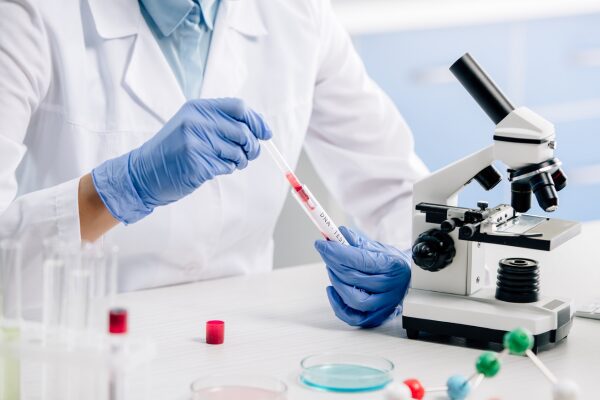
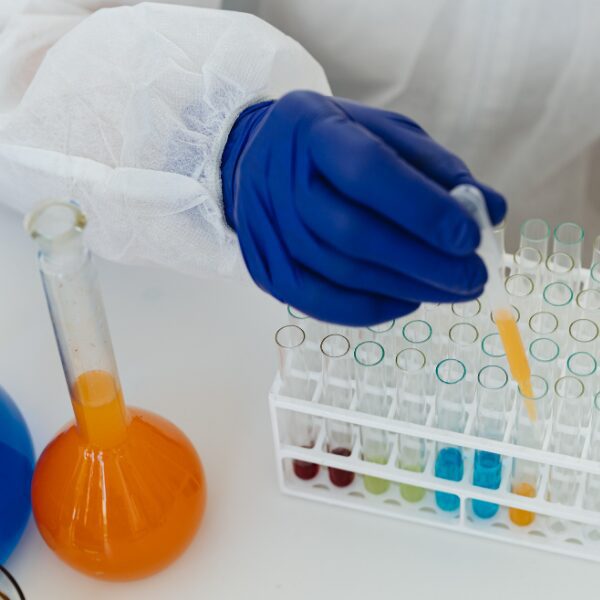
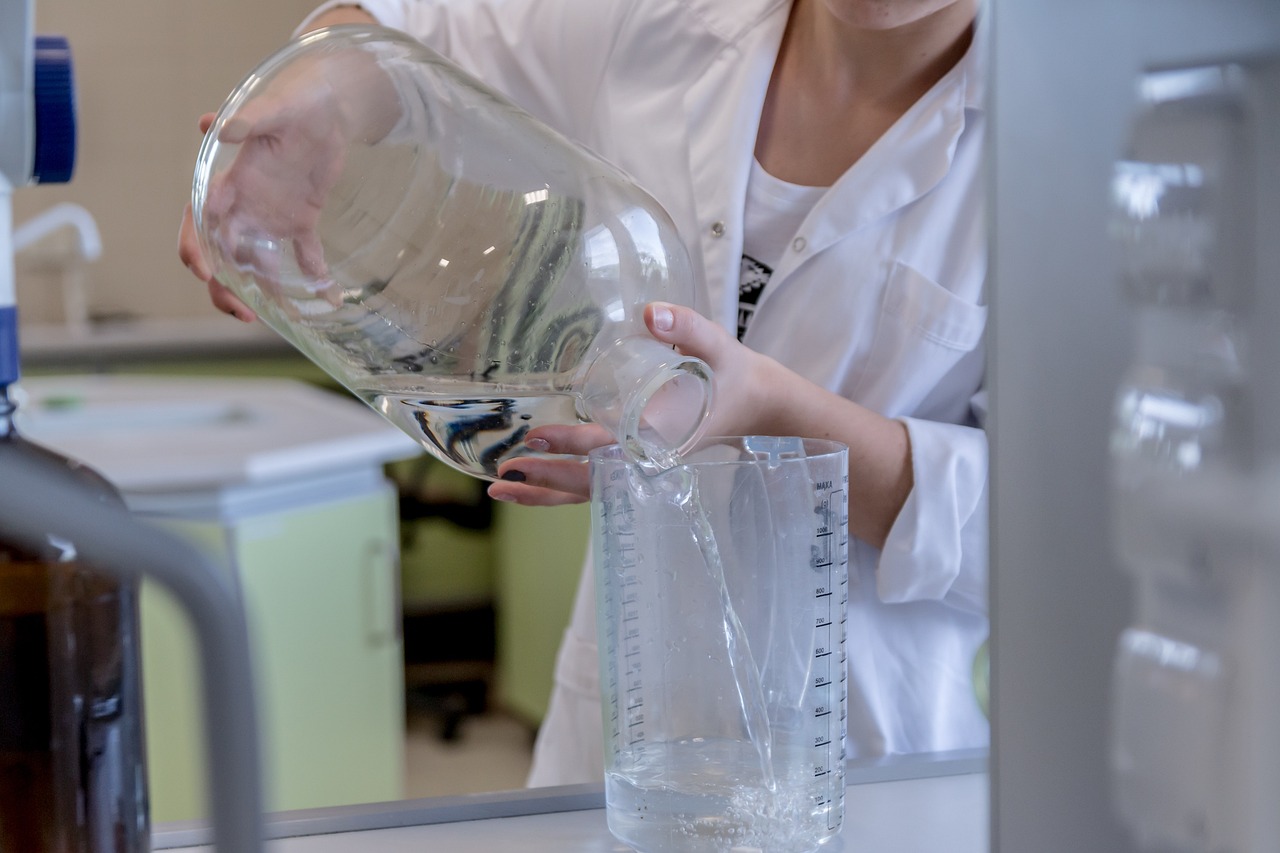
Step 2: Sampling and Laboratory Testing
- Collect representative samples following EPA or local guidelines
- Test for BOD, COD, TSS, FOG, pH, nutrients, and other site-specific contaminants
Step 3: Data Interpretation
- Compare results to regulatory limits
- Identify trends and process inefficiencies
- Use findings to guide treatment improvements
Step 4: Treatment and Optimization
- Select or modify treatment technologies based on analysis
- Integrate automation for operational efficiency
Step 5: Documentation and Reporting
- Maintain logs of analysis results and corrective actions
- Submit reports as required by permits
The Role of Certified Environmental Labs
Partnering with a certified environmental testing laboratory ensures accurate, reliable, and timely analysis. These labs follow standardized methods (e.g., EPA-approved protocols) and often provide consulting support to help interpret data and implement best practices.
Future Trends in Food Industry Wastewater Management
The food industry is undergoing a transformation as it embraces green technologies and digital tools:
- AI and machine learning for predictive water quality monitoring
- Blockchain for traceability in water usage and compliance
- Zero Liquid Discharge (ZLD) systems that eliminate wastewater discharge
- Public-private partnerships to improve infrastructure and innovation
In a world where environmental responsibility is no longer optional, wastewater analysis in food processing plays a vital role in protecting natural resources, ensuring regulatory compliance, and achieving sustainability goals. By implementing a comprehensive monitoring and treatment strategy, food processors can minimize their environmental footprint, enhance operational efficiency, and demonstrate their commitment to ethical and sustainable practices.
Precision Analytical Labs is a leading provider of comprehensive environmental testing services, specializing in wastewater testing, soil analysis, and air quality monitoring. With state-of-the-art facilities and a team of experienced professionals, we deliver accurate and reliable results to help businesses and industries comply with regulatory standards and protect the environment. Our commitment to quality and customer satisfaction sets us apart, making us the trusted partner for all environmental testing needs.
Frequently Asked Questions
What wastewater tests does PAL perform for food and beverage facilities?
PAL tests food and beverage wastewater for pH, BOD, FOG (fats, oils, and grease), RCRA 8 metals, cyanide, organochlorine pesticides, TSS, and more. We serve food processing plants, breweries, wineries, dairies, and packaging facilities.
Why is wastewater testing important for food processing plants?
Food processing wastewater often contains high levels of BOD/COD, FOG, suspended solids, nutrients, and cleaning chemicals. Regular testing ensures compliance with local discharge permits and prevents costly fines, shutdowns, and environmental damage.
Can PAL help with food industry wastewater compliance?
Yes. PAL delivers detailed, actionable reports that help food and beverage facilities maintain compliance with local, state, and federal wastewater discharge regulations.
How does PAL handle sample collection for food processing plants?
Clients can deliver samples to our Everett, WA lab, or in some cases our team can pick up samples on-site at no additional cost. Contact us at (425) 740-4597 to arrange sample collection.
Have more questions? Contact Precision Analytical Laboratories at (425) 740-4597 or request a consultation.