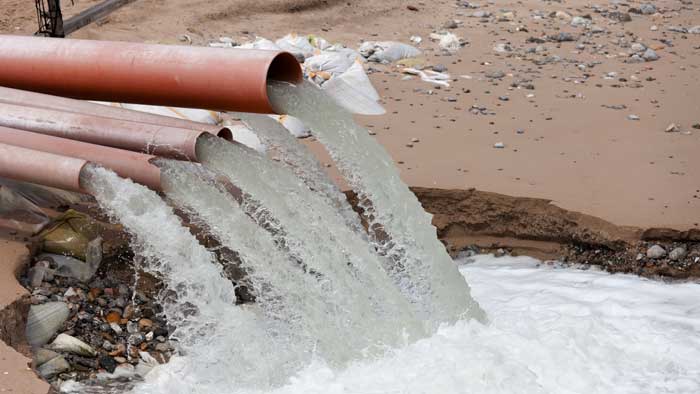
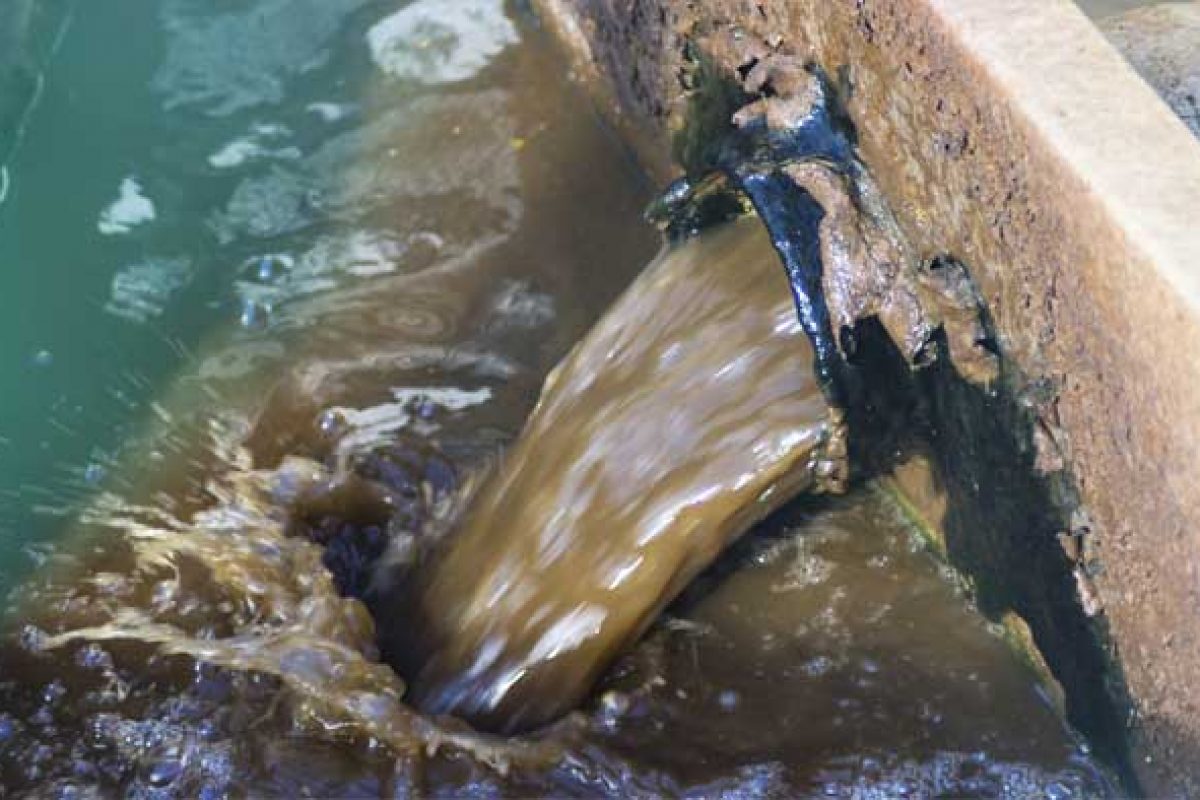
In 2025, wastewater testing is no longer a “nice-to-have” but an essential component of operations across almost every industry. Whether in manufacturing, pharmaceuticals, food & beverage, hospitality, healthcare, or agriculture, companies are facing rising regulatory pressure, stakeholder expectations, environmental risk, and opportunities for cost savings. Wastewater testing sits at the intersection of compliance, sustainability, risk management, and market differentiation. This article explores why wastewater testing matters more than ever in 2025—and how industries can use it to gain a competitive edge.
Key Definitions & What We Mean by Wastewater Testing
Before diving in, it helps to be clear on what “wastewater testing” covers:
- Effluent testing / discharge monitoring: analyzing the quality of water discharged from industrial, municipal, or commercial operations (e.g. pH, biochemical oxygen demand [BOD], chemical oxygen demand [COD], total suspended solids [TSS], heavy metals, nutrients, pathogens).
- Treatment performance testing: measuring how well treatment systems (ETPs, STPs, CETPs etc.) are working.
- Resource recovery & reuse analysis: testing to ensure reuse water meets standards, and detecting recoverable materials (nutrients, metals, energy content).
- Regulatory audit reporting and digital/real-time monitoring.
The Drivers in 2025: Why Pressure is Growing
A combination of regulatory, environmental, technological, and market forces is making wastewater testing indispensable. Here are major drivers:
- Stricter Environmental Regulations Globally
Governments worldwide are tightening limits on pollutant discharges. New or amended laws are increasingly enforcing limits for heavy metals, nutrient loads (nitrogen, phosphorus), chemical residues, toxic substances (PFAS, antibiotic residuals), pH, pathogen counts, and other parameters. Some regulations require real-time monitoring and digital reporting rather than periodic manual sampling. Failure to comply can lead to fines, shutdowns, or loss of permits. - Rising Public and Investor Scrutiny / ESG Requirements
Environmental, Social, and Governance (ESG) criteria are now central to investor decisions. Companies are under pressure from consumers, communities, NGOs, and shareholders to operate more sustainably, transparently in their environmental performance. Wastewater testing is a clear metric: how clean is the discharge, whether there is pollution, whether the company is actively reducing environmental footprint.
- Water Scarcity, Resource Management, and Cost Savings
Fresh water is becoming more expensive and less reliably available in many regions. Reusing treated wastewater for processes like cooling, cleaning, or irrigation can help reduce fresh-water demand and costs. But reuse requires that water be tested to required quality standards. Also, treatment technologies can recover valuable energy (biogas) or nutrients (nitrogen, phosphorus) if correctly monitored.
- Health Risks, Pathogens, and Emerging Pollutants
Wastewater can include dangerous pathogens, antibiotic-resistant bacteria, antibiotic resistance genes (ARGs), chemical residues etc., especially from hospitals, pharmaceuticals, or biotech industries. Monitoring is essential to prevent public health risks. Advanced oxidation processes, UV, ozonation etc., are being deployed to handle these emerging threats. - Technological Advancements Enabling Better Monitoring & Analytics
IoT sensors, remote monitoring, AI predictive analytics, real-time data acquisition, digital compliance software are increasingly feasible and affordable. These tools help industries detect non-compliance early, optimize treatment, reduce operational downtime, and manage costs.
- Competitive Differentiation & Brand Value
Companies who can demonstrate superior environmental performance, including clean wastewater discharge, gain advantage in supply chains, in getting contracts, in brand value. It can be a differentiator when customers, regulatory bodies, or partners demand sustainability. Being ahead of regulatory compliance can also reduce risk of surprise costs. - Regulatory Risk, Financial Penalties, & Liability
Non-compliance can cost a lot: fines, remediation, lawsuits, environmental compensation. Also, unplanned environmental damage or pollution incidents can lead to reputational loss, loss of market access, and other indirect costs.
What Testing Covers: Key Parameters & Standards
To satisfy regulatory, health, environmental, or reuse objectives, wastewater testing must cover the right parameters and follow recognized standards. Some of the common ones:
| Parameter | Why It Matters |
| pH | Affects aquatic life, corrosiveness, treatment processes. |
| BOD & COD | Measure of organic load; high values deplete oxygen in receiving water. |
| TSS (Total Suspended Solids) | Turbidity, sedimentation, habitat disruption. |
| Heavy Metals (lead, chromium, cadmium, mercury etc.) | Toxic to organisms; accumulate in food chains. |
| Nutrients (nitrogen, phosphorus) | Cause eutrophication, algal blooms. |
| Pathogens / microbial indicators | Public health risk. |
| Emerging pollutants (PFAS, pharmaceuticals, antibiotic residues, microplastics) | Long-term risks not always fully understood. |
| Oil & grease, solvents, total dissolved solids etc. | Operational issues, toxicities, environmental accumulation. |
Testing should follow internationally or locally accepted standards: e.g. ISO standards, local environmental protection authority norms, sometimes sector-specific regulations (textiles, food & beverage, pharmaceutical). Sampling frequency and reporting obligations vary.
Benefits of Wastewater Testing Beyond Mere Compliance
Testing wastewater is not just about avoiding fines. There are multiple strategic benefits:
- Operational Efficiency & Process Optimization
Monitoring helps identify inefficiencies: when treatment plants are underperforming, when shock loads occur, when chemical dosing is imbalanced, when inflow quality changes. Fixing those improves efficiency and reduces costs (chemicals, energy). - Reduced Water Use and Reuse Opportunities
When industries test to ensure treated wastewater meets reuse standards, they can recycle water, reducing fresh-water purchases or extraction. This is especially valuable in water-scarce regions. - Resource Recovery
Wastewater often contains nutrients (nitrogen, phosphorus) which can be recovered; biogas from anaerobic digestion; even heat or reusable chemicals. Testing identifies these streams so recovery becomes possible. - Risk Management
Early detection of pollutants prevents environmental incidents, regulatory breaches, and community backlash. In some cases, untested discharges lead to contamination of drinking water or of soil, which can generate lawsuits or cleanup costs. - Improved Reputation, Brand Value, Stakeholder Trust
In a world with more transparency, companies that can show clean environmental performance are trusted more by customers, investors, regulatory bodies, local communities. This can help in marketing, securing permits, or getting financing. - Innovation & Competitive Edge
Firms that stay ahead of regulatory trends or environmental expectations can develop better treatment solutions, capture market share, or offer “green credentials” in tenders or bids. - Sustainability & ESG Reporting
Wastewater testing data often appears in sustainability reports. Reliable data bolster ESG scores. Investors increasingly look for companies with proven environmental performance.
Challenges / Barriers & How Industries Must Address Them
While the benefits are clear, there are also significant challenges that industries must actively overcome:
- High upfront investment: installing or upgrading wastewater treatment systems, real-time monitoring sensors, digital reporting, etc., can require capital. Some small and mid-sized enterprises struggle with this.
- Complexity of effluent: Some industries produce wastewater with complex or difficult-to-treat pollutants (emerging chemicals, pharmaceuticals, hazardous substances). Conventional treatment may not suffice.
- Regulatory inconsistency / changing standards: Regulations keep evolving (stricter limits, new pollutants included). Organizations must stay updated. When standards tighten, existing facilities may need upgrades or face compliance risk.
- Technical capacity and expertise: The need for skilled operation, accurate sampling, appropriate lab analysis, and interpretation of results. Errors in sampling or lab analysis or neglecting QA/QC can result in false compliance or risk.
- Maintenance and operational costs: Treatment plants require ongoing maintenance; sensors need calibration; monitoring systems to be operated and validated; record keeping and reporting must be reliable.
- Data management and reporting: Real-time or frequent monitoring means lots of data; putting in place systems to store, analyze, report, and respond is non-trivial.
Case Examples & Recent Trends
- The global wastewater discharge monitoring system market was valued at USD ~$1,148 million in 2024, projected to grow significantly—driven by stricter laws and demand for real-time, IoT-enabled, AI powered systems.
- In India, regulatory bodies like state Pollution Control Boards are auditing Common Effluent Treatment Plants (CETPs) and ordering industries to ensure treatment of industrial wastewater.
- Hospital wastewater – due to antibiotic residues and resistant bacteria – has become an area of increased research; advanced treatment (oxidation, UV, ozonation) are being used to degrade antibiotic resistance genes (ARGs).
- Decision Support Systems (DSS) for optimizing industrial water networks have shown potential in significant freshwater savings and high reuse of process/waste water.
What Industries Should Do: Practical Steps
To make wastewater testing work—not just for compliance but as a strategic asset—industries can adopt the following roadmap:
- Conduct a Baseline Audit
Identify what you discharge: volume, pollutant types, existing treatment performance. Assess current compliance vs applicable regulations. - Set up Appropriate Testing Protocols
- Define which parameters must be tested, frequency, sampling methods.
- Use accredited labs or internal labs with proper QA/QC.
- Include emerging contaminants if relevant to industry.
- Define which parameters must be tested, frequency, sampling methods.
- Invest in Monitoring Technologies
Real-time/online sensors, automation of data collection, digital reporting systems. Use predictive analytics to forecast non-compliance or treatment system failures. - Ensure Treatment Systems Are Fit for Purpose
Regular maintenance. When pollutants change (for example, new chemicals or processes), ensure treatment design can handle worst-case load. Upgrade technologies as needed. - Implement Reuse & Resource Recovery Where Possible
If treated wastewater can be reused (on-site cooling, cleaning, irrigation etc.), ensure tests prove the water quality is safe. Also explore nutrient recovery, biogas etc., both as cost savings and environmental benefit. - Compliance & Reporting
Keep up with local, national, and sectoral discharge standards. Maintain records not just for regulatory audits but for internal oversight, investor / stakeholder reporting (ESG). - Stay Ahead of Regulatory Changes
Keep alert to upcoming changes (new limits, new pollutants, reporting requirements). Joining industry associations, hiring environmental compliance consultants, or using regulatory monitoring tools helps. - Engage Stakeholders and Build Transparency
Make your wastewater management practices visible to customers, communities, and regulators. Transparent reporting helps build trust and brand value.
By 2025, wastewater testing is no longer optional. It is fundamental to legal compliance, environmental protection, public health, and operational resilience. But beyond just avoiding penalties, industries that embrace robust wastewater testing and treatment gain strategic advantages: they save water, recover resources, maintain reputation, stay ahead of regulations, and meet rising stakeholder expectations.
For companies that take the lead, wastewater testing will increasingly become a competitive differentiator, not a cost center. The smart ones will invest now in good monitoring, advanced treatment, and reuse technologies so they not only comply—but also thrive in the tighter environmental landscape that defines modern industry.
Precision Analytical Labs is a leading provider of comprehensive environmental testing services, specializing in wastewater testing, and soil analysis. With state-of-the-art facilities and a team of experienced professionals, we deliver accurate and reliable results to help businesses and industries comply with regulatory standards and protect the environment. Our commitment to quality and customer satisfaction sets us apart, making us the trusted partner for all environmental testing needs.
Frequently Asked Questions
What happens if my business fails a wastewater compliance test?
Non-compliance can result in monetary fines, legal penalties, facility shutdowns, and reputational damage. Regular testing with an accredited lab like PAL helps you identify issues early and maintain compliance before problems escalate.
How often should my business test its wastewater?
Testing frequency depends on your discharge permit, industry type, and local regulations. Many facilities are required to test monthly or quarterly. PAL can help you determine the right testing schedule for your operation.
Does PAL provide compliance documentation and reporting?
Yes. PAL provides detailed, actionable lab reports that meet regulatory documentation requirements. Our reports are designed to be easy to understand and suitable for submission to regulatory authorities.
What EPA methods does PAL use for wastewater testing?
PAL uses EPA-approved methods including EPA 200.7 (trace metals), EPA 245.1 (mercury), EPA 1664A (FOG), EPA 625.1 (SVOCs), EPA 608.3 (pesticides), EPA 1311 (TCLP), and standard methods for pH, TSS, BOD, and cyanide.
Have more questions? Contact Precision Analytical Laboratories at (425) 740-4597 or request a consultation.