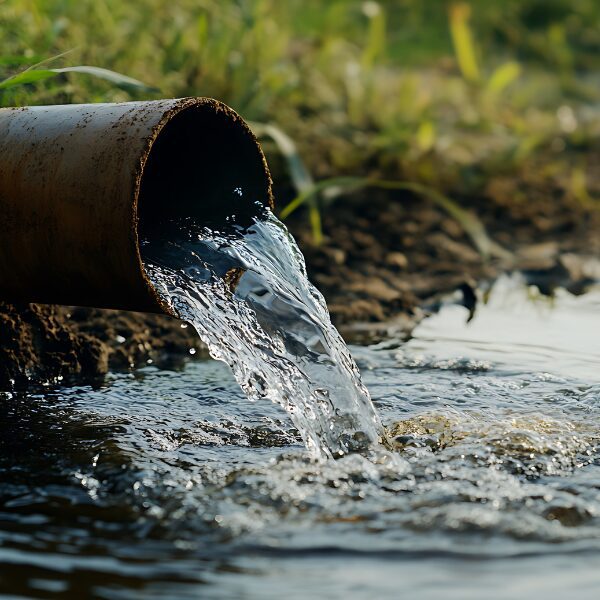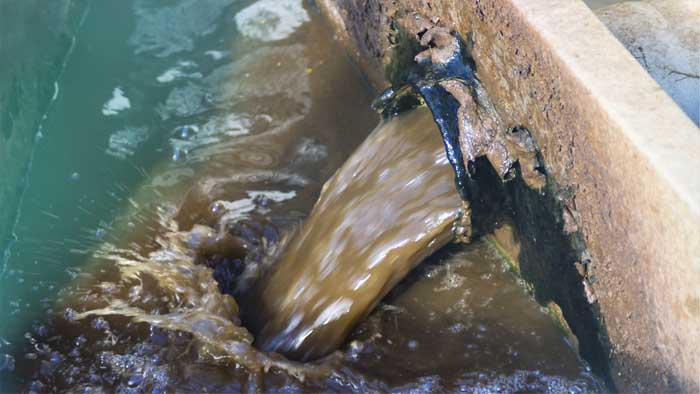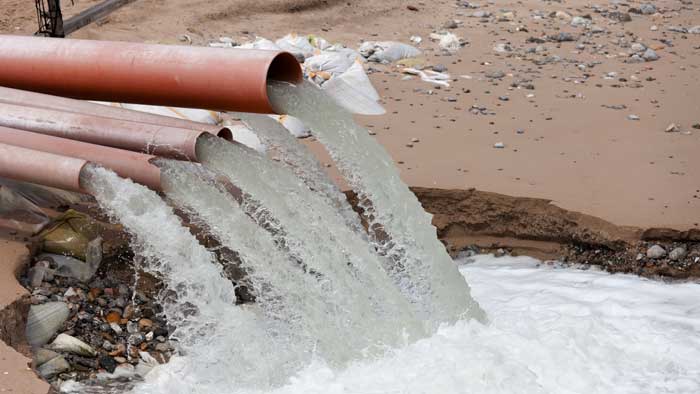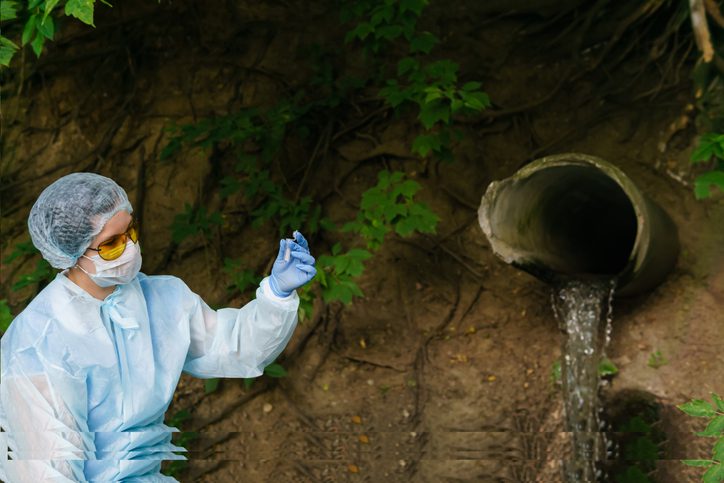

Water is one of the most regulated and closely monitored resources in the world — and for good reason. Industrial discharge, municipal sewage, stormwater runoff, and agricultural waste can all have serious consequences for environmental and public health when not properly managed. This is where a wastewater testing laboratory plays a critical role.
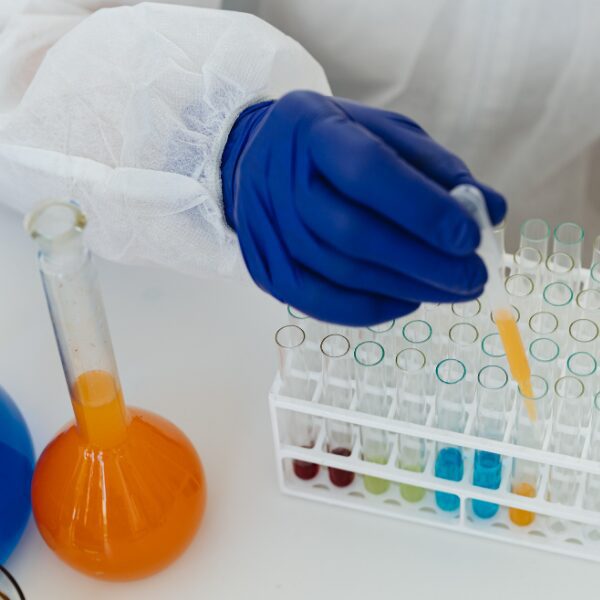
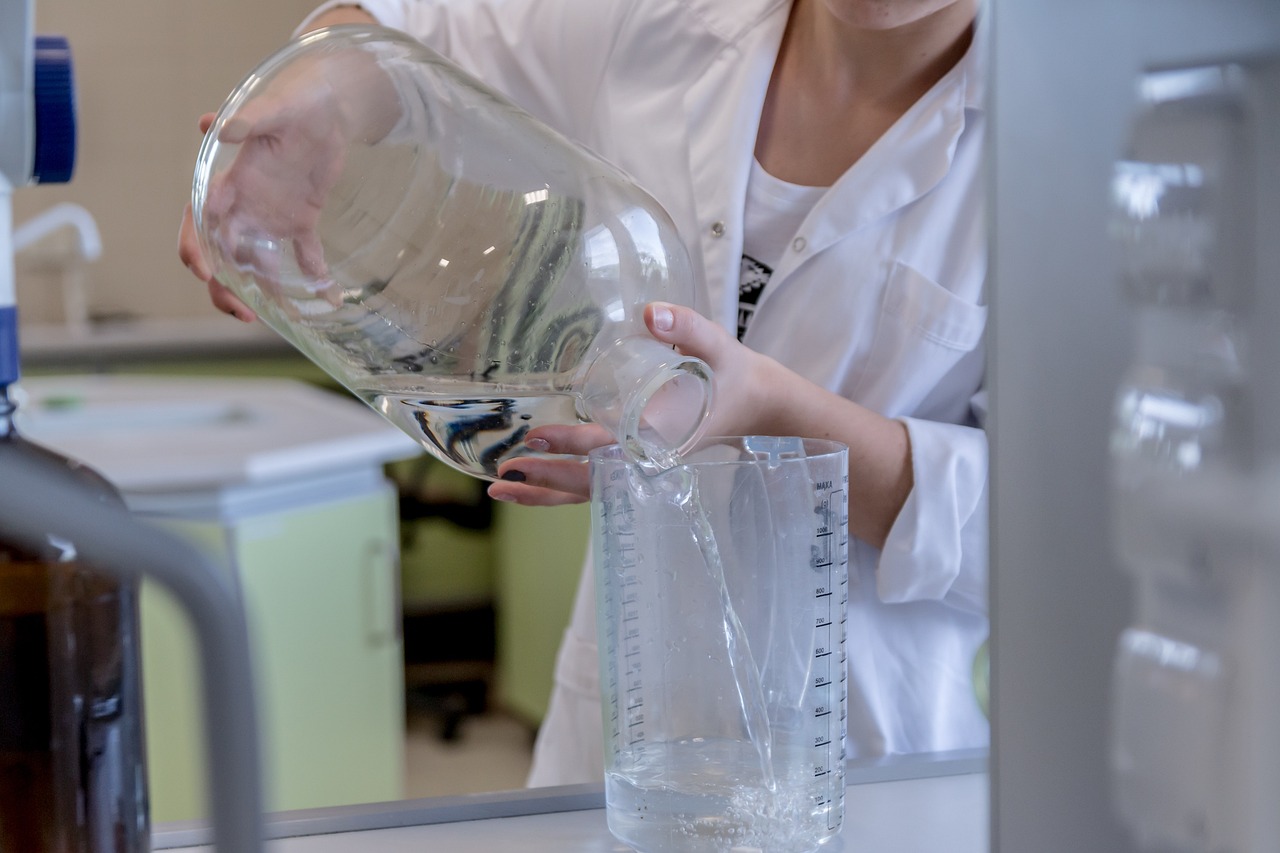
These specialized laboratories analyze wastewater samples to determine contamination levels, assess regulatory compliance, and verify environmental safety before water is discharged or treated. For industries, municipalities, environmental consultants, and facility managers throughout Washington State, understanding what happens inside a wastewater testing laboratory is the first step toward responsible environmental stewardship and airtight compliance.
At Precision Analytical Laboratories, we’ve spent the past five years helping clients across Washington State’s most demanding industries manage their wastewater systems with thorough testing, documentation, remediation guidance when needed, and actionable reporting. Here’s what we actually test for — and why every parameter matters.
Why Wastewater Testing Matters
Before exploring what a wastewater testing laboratory analyzes, it helps to understand why wastewater testing is legally required and operationally essential.
Wastewater contains dissolved and suspended materials that can harm aquatic ecosystems, contaminate groundwater, and pose direct risks to human health. Regulatory agencies at the local, state, and federal levels — including the U.S. Environmental Protection Agency (EPA) and Washington State’s Department of Ecology — require routine monitoring to prevent pollution and maintain compliance with environmental laws.
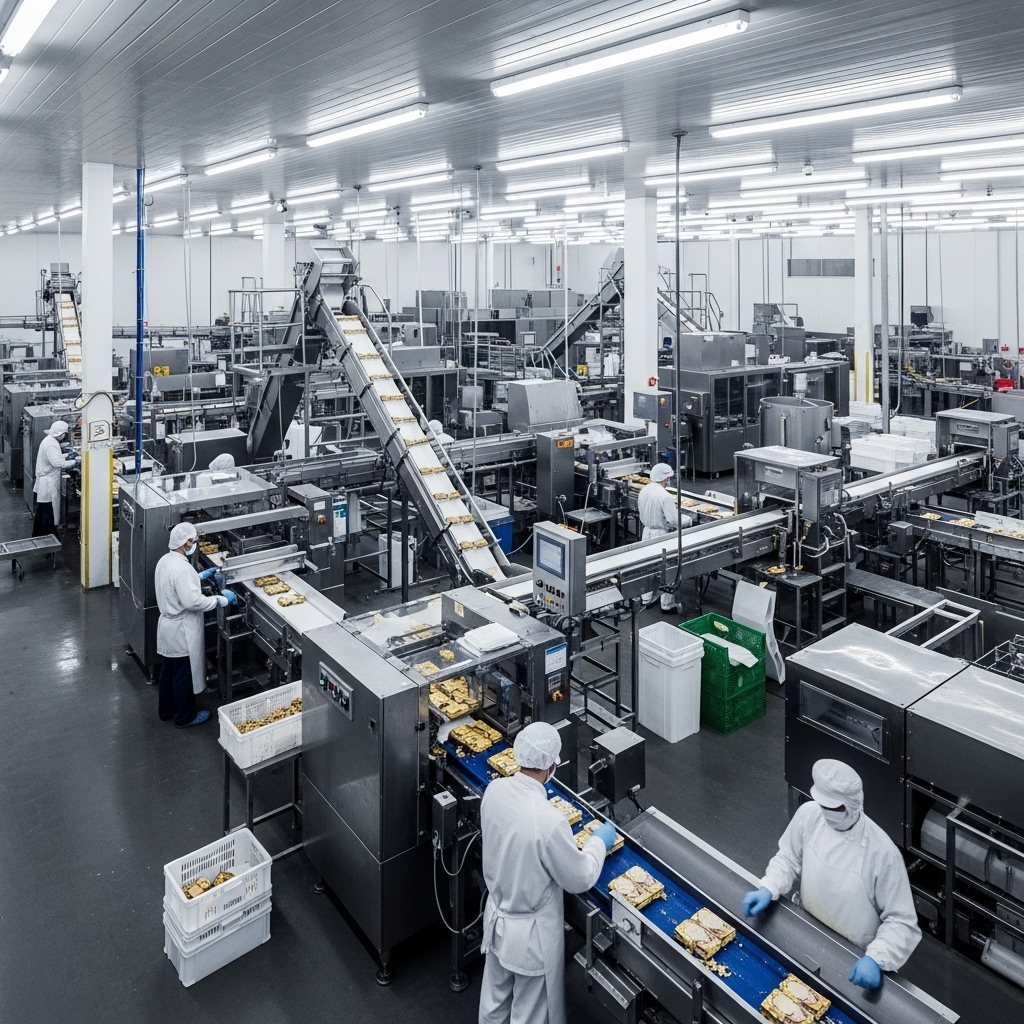
Industries such as manufacturing plants, food processors, chemical facilities, shipyards, and municipal treatment plants must regularly test wastewater before discharge. Accurate testing identifies pollutants, evaluates treatment effectiveness, and ensures safe environmental release. Without consistent laboratory monitoring, harmful contaminants can enter rivers, lakes, groundwater systems, and coastal waters — with consequences ranging from ecological damage to significant regulatory penalties.
The Clean Water Act (CWA) establishes the legal framework for wastewater discharge in the United States, and compliance depends entirely on the accuracy of laboratory data. That’s why choosing a fully accredited laboratory isn’t just a best practice — it’s a necessity.
What PAL Tests: Our Accredited Wastewater Testing Methods
Precision Analytical Laboratories performs a comprehensive suite of accredited wastewater analyses aligned with EPA, ASTM, and Standard Methods protocols. Here’s a breakdown of some of the tests we perform, what it measures, and why it matters.
Trace Metals — EPA 200.7 and Mercury — EPA 245.1
What it measures: The concentration of dissolved and total trace metals in wastewater, including common heavy metals such as lead, cadmium, arsenic, chromium, nickel, zinc, copper, and barium, using inductively coupled plasma (ICP) spectroscopy per EPA Method 200.7. Mercury is analyzed separately using cold vapor atomic absorption spectroscopy per EPA Method 245.1.
Why it matters: Heavy metals are among the most toxic and persistent contaminants in industrial wastewater. Even at trace concentrations, metals like mercury, lead, arsenic, and cadmium bioaccumulate in aquatic organisms and work their way up the food chain. Many are classified as Priority Pollutants under the Clean Water Act with strict discharge limits. Industries including electroplating, metal fabrication, circuit board manufacturing, mining, and automotive finishing generate metal-laden wastewater that requires careful monitoring before any discharge.
Mercury deserves special attention due to its extraordinary toxicity at very low concentrations and its tendency to methylate in aquatic environments — forming methylmercury, the highly neurotoxic form that accumulates in fish tissue. EPA 245.1 is specifically designed for the sensitive, accurate detection required for mercury compliance reporting.
pH — SM 4500
What it measures: The acidity or alkalinity of the wastewater on a scale of 0–14, measured electrometrically per EPA method SM 4500H+.
Why it matters: pH is one of the most fundamental indicators of wastewater quality. Most aquatic organisms can only survive within a relatively narrow pH range — generally 6.5 to 8.5. Wastewater that is too acidic or too alkaline can kill fish and aquatic invertebrates, disrupt biological treatment processes in municipal systems, corrode infrastructure, and interfere with the effectiveness of other treatment chemicals.
The Washington State Department of Ecology sets specific pH standards for wastewater discharge to surface waters. Industries with alkaline cleaning processes, acid pickling operations, or chemical manufacturing are among the most common sources of pH exceedances.
Cyanide — SM 4500 CN-E 2016
What it measures: The concentration of free and total cyanide in wastewater using distillation and colorimetric analysis per Standard Method 4500-CN-E.
Why it matters: Cyanide is an acutely toxic compound that interferes with cellular respiration in aquatic organisms and can be lethal to fish at concentrations as low as 0.05 mg/L. It enters wastewater streams primarily from metal finishing and electroplating operations (where cyanide baths are used in gold, silver, and copper plating), heat treating facilities, coking operations, and certain mining processes.
Regulatory discharge limits for cyanide are extremely low, and testing requires careful handling to prevent volatilization losses during sample preparation. PAL’s accredited SM 4500-CN-E method ensures accurate results even at the trace concentrations required for compliance reporting. View our complete wastewater testing services
FOG/OGT/HEM (Oils and Greases) — EPA 1664A
What it measures: Total petroleum hydrocarbons and animal/vegetable fats in wastewater, measured as Hexane Extractable Material (HEM) and Silica Gel Treated HEM (SGT-HEM, or non-polar material) per EPA Method 1664A.
Why it matters: Fats, oils, and greases (FOG) are among the most common wastewater violations for food processors, restaurants, food service facilities, vehicle maintenance operations, petroleum handling facilities, and maritime industries. FOG coats pipes, clogs collection systems, reduces oxygen transfer in treatment processes, and creates surface films that harm aquatic ecosystems.
Most municipalities impose strict FOG limits in their pretreatment programs, and FOG testing is frequently required by industrial pretreatment permits. The EPA’s Pretreatment Standards specifically address FOG for many industrial categories. The HEM/SGT-HEM distinction in EPA 1664A separates petroleum-based oils (the non-polar fraction) from total extractable material — an important distinction for facilities near shorelines or waterways where petroleum discharge carries heightened regulatory and environmental consequences.
SVOCs (Semi-Volatile Organic Compounds) — EPA 625.1
What it measures: A broad suite of semi-volatile organic compounds in wastewater including polynuclear aromatic hydrocarbons (PAHs), phthalates, phenols, nitroaromatics, and chlorinated compounds using gas chromatography/mass spectrometry (GC/MS) per EPA Method 625.1.
Why it matters: SVOCs represent one of the most chemically diverse categories of wastewater contaminants. They include compounds formed during combustion (PAHs from engine exhaust, industrial stacks, and petroleum spills), plasticizers (phthalates), wood treatment chemicals (creosote), and industrial process chemicals. Many SVOCs are classified as EPA Priority Pollutants with known carcinogenic, endocrine-disrupting, or acutely toxic properties.
Industries most likely to need SVOC analysis include petroleum facilities, shipyards and boatyards, wood treating operations, chemical manufacturers, stormwater dischargers, and facilities subject to Effluent Limitation Guidelines (ELGs). GC/MS analysis provides the specificity and sensitivity needed to identify and quantify individual compounds at the parts-per-billion levels required for regulatory compliance.
Pesticides — EPA 608.3
What it measures: Organochlorine pesticides and polychlorinated biphenyls (PCBs) in wastewater using gas chromatography with electron capture detection (GC/ECD) per EPA Method 608.3.
Why it matters: Organochlorine pesticides — including compounds like chlordane, DDT, endrin, dieldrin, and heptachlor — are persistent organic pollutants (POPs) that bioaccumulate in the food chain, resist environmental degradation, and cause reproductive and neurological harm in wildlife and humans. Although many have been banned or severely restricted in the United States under the Federal Insecticide, Fungicide, and Rodenticide Act (FIFRA), they persist in soils, sediments, and drainage systems decades after use.
PCBs, manufactured for decades as transformer oils and industrial fluids, are similarly persistent and toxic. Pesticide testing is relevant for agricultural processors, landscaping and turf management facilities, industrial stormwater dischargers, and facilities operating on historically contaminated land. Washington State’s Model Toxics Control Act (MTCA) also requires pesticide analysis in certain site cleanup contexts.
Trace Metals (Solid) — EPA 6010D
What it measures: Multi-element analysis of sludges, soils, sediments, and solid waste matrices for trace and major metals using ICP optical emission spectrometry per EPA Method 6010D.
Why it matters: Wastewater treatment generates sludge — the solid or semi-solid material that settles out during the treatment process. Before sludge (also called biosolids) can be land-applied, disposed of in a landfill, or further treated, its metal content must be characterized to ensure it doesn’t exceed safe concentrations. The EPA’s Part 503 Biosolids Rule establishes ceiling concentrations for ten metals in biosolids intended for land application, including arsenic, cadmium, copper, lead, mercury, molybdenum, nickel, selenium, and zinc.
EPA 6010D is also essential for hazardous waste characterization, soil investigation at contaminated sites, and compliance with Washington State’s MTCA cleanup standards. Contact PAL to discuss solid matrix testing
Total Suspended Solids (TSS) — SM 2540D
What it measures: The mass of solid material retained on a 0.45-micron filter after drying, expressed as milligrams per liter (mg/L), per Standard Method 2540D.
Why it matters: Total Suspended Solids is one of the most universally required parameters in wastewater discharge permits. High TSS levels cloud water, reduce light penetration, smother fish spawning areas, clog fish gills, and carry attached pollutants — including metals, nutrients, and organic compounds — into receiving waters.
TSS is also a key indicator of treatment plant performance. A well-functioning secondary treatment system should reduce TSS by 85% or more. Monitoring TSS at both the influent and effluent stages tells operators how effectively the physical separation processes are working. Industrial dischargers in sectors from food processing to construction are frequently subject to TSS permit limits. View our full range of accredited wastewater tests
Flash Point — ASTM D93
What it measures: The lowest temperature at which a liquid produces sufficient vapor to ignite momentarily, per ASTM D93.
Why it matters: Flash point testing of wastewater is primarily a safety and hazardous waste characterization tool. Under the EPA’s Resource Conservation and Recovery Act (RCRA), a wastewater or waste stream with a flash point below 60°C (140°F) is classified as an ignitable hazardous waste — triggering significantly more stringent storage, treatment, transport, and disposal requirements.
Petroleum-impacted wastewater, solvent-contaminated rinse waters, and certain industrial process streams may approach or exceed this threshold. Knowing the flash point ahead of disposal protects facilities from inadvertent RCRA violations, ensures worker safety during collection and handling, and prevents dangerous reactions in treatment systems not designed for flammable materials.
Biochemical Oxygen Demand (BOD) — SM 5210B
What it measures: The amount of dissolved oxygen consumed by biological activity when a water sample is incubated at 20°C for five days, expressed as mg/L, per Standard Method 5210B.
Why it matters: BOD is the most widely used measure of organic pollution in wastewater. High BOD indicates a large amount of biodegradable organic material — which, when discharged to a waterway, depletes dissolved oxygen as bacteria break it down. This oxygen depletion (hypoxia) can kill fish, invertebrates, and aquatic plants, leading to dead zones in receiving waters.
The EPA’s National Pollutant Discharge Elimination System (NPDES) permit program routinely includes BOD limits for municipal treatment plant effluent and many industrial categories. Food and beverage processors, breweries, dairies, and meat processing facilities generate some of the highest-BOD wastewater of any industrial sector. Monitoring BOD alongside COD (chemical oxygen demand) gives treatment operators a complete picture of organic loading and biological treatability.
Volatile Organic Compounds (VOCs) — EPA 624.1
What it measures: Volatile organic compounds in wastewater using purge-and-trap gas chromatography/mass spectrometry (GC/MS) per EPA Method 624.1, detecting compounds including benzene, toluene, ethylbenzene, xylenes (BTEX), chlorinated solvents, and dozens of other volatile organics.
Why it matters: VOCs are a broad class of carbon-based chemicals that readily evaporate at room temperature. In wastewater, they originate from petroleum handling, solvent use in cleaning and manufacturing, chemical production, dry cleaning, automotive service, and underground storage tank releases. Many — particularly the BTEX compounds and chlorinated solvents like trichloroethylene (TCE) and perchloroethylene (PCE) — are classified as known or probable human carcinogens under EPA IRIS assessments.
Purge-and-trap GC/MS is the gold standard for VOC analysis in water, capable of detecting compounds at parts-per-billion levels. Because VOCs are volatile, proper sample collection and preservation (no headspace, 4°C, HCl preservation) is critical to accurate results — a detail PAL’s team can guide clients through as part of our sample collection support services.
Turbidity — EPA 180.1
What it measures: The optical clarity of water — how much light is scattered by suspended particles — expressed in Nephelometric Turbidity Units (NTU) per EPA Method 180.1.
Why it matters: Turbidity is both a physical water quality parameter and a useful surrogate for particulate contamination. In treated effluent, elevated turbidity signals that suspended solids, colloidal material, or biological floc are breaking through the treatment system. In stormwater and industrial discharge, turbidity spikes can indicate erosion, process upsets, or filter failures.
Turbidity is closely correlated with TSS and is faster to measure, making it useful for real-time process monitoring. Washington State surface water quality standards include turbidity criteria for protecting aquatic life, and turbidity is frequently included in stormwater discharge permit conditions under Washington’s Industrial Stormwater General Permit.
Physical Characteristics: The First Indicators of Wastewater Quality
Before chemical analysis even begins, physical characterization of a wastewater sample provides immediate insight into treatment performance and potential problem areas.
Monitoring for Emerging Contaminants
Modern wastewater science has expanded well beyond traditional regulated pollutants. Today, accredited laboratories like PAL stay current with evolving science around emerging contaminants — compounds that may not yet be formally regulated but are increasingly recognized as environmental and health concerns.
These include pharmaceuticals and personal care products (PPCPs), per- and polyfluoroalkyl substances (PFAS), endocrine-disrupting chemicals, and microplastics. The EPA’s Contaminants of Emerging Concern program continues to evaluate these compounds, and Washington State has been a leader in addressing PFAS through its PFAS Action Plan.
Advanced analytical techniques — including GC/MS and LC-MS/MS — allow for detection of these compounds at extremely low concentrations. As regulatory frameworks around emerging contaminants evolve, PAL continues to update its methods to ensure clients stay ahead of compliance requirements.
Sludge and Biosolids Testing
In addition to liquid wastewater, treatment processes generate sludge — the concentrated solid material removed during treatment. PAL’s solid matrix testing using EPA 6010D evaluates sludge and biosolids for heavy metals, nutrient content, and moisture levels.
This testing determines whether biosolids meet the quality thresholds for beneficial land application under EPA Part 503 — potentially turning a waste disposal cost into a soil amendment resource — or whether they require disposal as regulated waste. Proper sludge analysis supports both environmental sustainability and protection of soil and groundwater.
Why Accreditation and Quality Assurance Matter
Not all laboratory results carry equal weight. When compliance decisions, permit applications, regulatory inspections, or legal proceedings depend on analytical data, the accreditation status of the laboratory matters enormously.
Precision Analytical Laboratories holds accreditation under ISO/IEC 17025:2017, the international standard for testing and calibration laboratory competence, issued by PJLA (Perry Johnson Laboratory Accreditation). We are also accredited by the Washington State Department of Ecology and hold TNI (The NELAC Institute) certification — the standard for environmental laboratory quality across the United States.
Our quality management systems include calibration standards, method blanks, matrix spikes, duplicate samples, and control charts on every batch of analyses — ensuring that the data we deliver is defensible, reproducible, and accurate. Without proper quality assurance, inaccurate results could lead to environmental harm, permit violations, or costly legal exposure.
How PAL’s Wastewater Testing Services Work
Precision Analytical Laboratories makes wastewater compliance straightforward for clients throughout Washington State and beyond. Our services include:
- One-time testing for project-specific needs, permit applications, or incident response
- Regularly scheduled testing programs with consistent reporting for ongoing compliance
- Step-by-step sample collection guidance so your team collects samples correctly the first time
- Proper chain of custody documentation to ensure results are legally defensible
- Multiple shipping solutions — UPS, FedEx, DHL, or ground courier
- On-site sample collection services by special arrangement for clients within our service area
- Written estimates provided after an initial consultation or site tour — no surprises
We serve all major Washington State industries, including marine, food processing, manufacturing, paper processing, electroplating and metal works, petroleum and fuel operations, and more. View the full list of industries we serve
Turnaround times are fast and reports are designed to be detailed, readable, and actionable — not just a column of numbers. Our team is available to help you interpret results and respond to findings appropriately.
Frequently Asked Questions About Wastewater Testing
How do I know which tests my facility needs? Your discharge permit specifies the parameters you’re required to monitor. If you don’t have a permit yet, or if you’re trying to characterize a waste stream for the first time, PAL’s team can help you determine the appropriate test panel based on your industry, process, and discharge point. Request a free consultation
How often does wastewater need to be tested? Frequency depends on your permit conditions and the nature of your discharge. Some facilities test monthly, others quarterly, and high-risk or high-volume dischargers may test weekly. PAL offers regularly scheduled programs to take this off your plate.
What happens if my results show a violation? PAL provides actionable reports — not just data. If results indicate an exceedance, our team can help you understand what’s driving it and what documentation you need. We can also refer clients to our affiliated industrial pretreatment and wastewater treatment services through Washington Marine Cleaning when remediation is needed.
Do you offer sample collection services? Yes, by special arrangement for clients within our service area. For facilities outside our direct collection area, we provide detailed collection instructions, proper containers, and chain of custody documentation to ensure valid samples regardless of how they’re shipped.
Is PAL’s data accepted by regulatory agencies? Yes. PAL’s accreditations under ISO 17025:2017, the Washington State Department of Ecology, and TNI standards ensure our analytical data is accepted by state and federal regulatory agencies for compliance reporting, permit applications, and enforcement proceedings.
Get Started with Accredited Wastewater Testing
Whether your facility needs a one-time compliance test, a recurring monitoring program, or help characterizing a new waste stream, Precision Analytical Laboratories has the expertise, accreditation, and turnaround time to support your needs.
We’ve spent the past five years working with Washington State’s most demanding industries — from naval shipyards and food processors to manufacturers and municipal utilities — delivering the accurate, defensible data they need to stay compliant and protect the environment.
Contact Precision Analytical Laboratories today:
📞 (425) 740-4597 | Mon–Fri: 6AM–5PM
📍 3430 16th Street, Everett, WA 98201
Precision Analytical Laboratories is ISO/IEC 17025:2017 accredited, Washington State Department of Ecology certified, and TNI-accredited. All wastewater testing is performed in accordance with applicable EPA methods and Standard Methods for the Examination of Water and Wastewater.
Frequently Asked Questions
What types of wastewater testing does PAL perform?
PAL offers comprehensive wastewater testing including trace metals (EPA 200.7), mercury (EPA 245.1), pH, cyanide, FOG/oil and grease (EPA 1664A), SVOCs (EPA 625.1), pesticides (EPA 608.3), TCLP metals, TSS, BOD, and more. We also test drinking water, solids/soils/sludges, and oils.
What industries does Precision Analytical Laboratories serve?
PAL serves a wide range of industries including marine and maritime, food processing, paper processing, electroplating and smelting, fuel and oil, municipal water treatment, manufacturing, military operations, and permit-specific testing requirements.
Is PAL an accredited testing laboratory?
Yes. Precision Analytical Laboratories holds PJLA/TNI accreditation, Washington State Department of Ecology lab certification, and ISO 17025:2017 certification, ensuring the highest quality and regulatory compliance in all test results.
How fast does PAL return wastewater test results?
PAL is known for fast turnaround times on all testing services. Our lab is conveniently located in Everett, WA, and we also offer on-site sample pickup in some cases. Contact us at (425) 740-4597 for current turnaround times.
Have more questions? Contact Precision Analytical Laboratories at (425) 740-4597 or request a consultation.