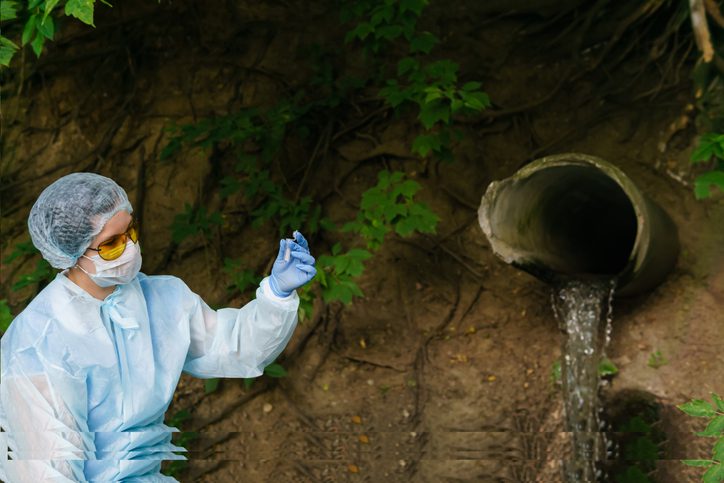

Maintaining wastewater compliance is a critical responsibility for industries, commercial facilities, and municipalities. With increasing regulatory oversight and environmental expectations, even small mistakes can lead to costly fines, penalties, shutdowns, and long-term reputational damage. Unfortunately, many businesses unknowingly make errors that put them at risk.
Here are the top wastewater compliance mistakes businesses make—and how to avoid them to stay fully compliant, sustainable, and operational.
1. Not Testing Wastewater Frequently Enough
Many facilities rely on infrequent or outdated testing schedules. Without consistent monitoring, it’s impossible to identify violations early.
Why It’s a Problem
- Daily or weekly fluctuations can cause unnoticed exceedances.
- Irregular testing leads to late detection of contaminants like BOD, TSS, FOG, metals, and nutrients.
- Delayed detection increases the likelihood of non-compliance penalties.
How to Avoid It
- Implement regular wastewater monitoring schedules based on your permit requirements.
- Use a certified wastewater testing laboratory that can provide quick turnaround times.
- Track trends over time to anticipate potential issues.
2. Ignoring Permit Requirements or Misunderstanding Them
Many businesses assume their environmental permits are straightforward, but wastewater discharge regulations are often complex.
Why It Happens
- Misinterpreting discharge limits
- Overlooking sampling frequency requirements
- Failing to update permits after operational changes
How to Avoid It
- Conduct a permit review with environmental professionals.
- Ensure staff members understand specific discharge limits for pH, BOD, COD, TSS, heavy metals, and other parameters.
- Update permits when adding equipment, changing processes, or increasing production.
3. Poor Recordkeeping & Documentation
Compliance programs often fail due to disorganized or incomplete recordkeeping.
Why It’s a Problem
- Missing records can result in automatic violations.
- Inaccurate logs make it hard to defend against enforcement actions.
- Poor documentation increases audit risks.
How to Avoid It
- Maintain detailed logs of:
- Sampling dates
- Lab results
- Equipment maintenance
- Corrective actions
- Sampling dates
- Use digital recordkeeping systems for easy access and accuracy.
- Train employees on proper documentation practices.
4. Not Maintaining Wastewater Treatment Equipment
Even the best wastewater treatment systems fail without regular maintenance.
Common Equipment Issues
- Clogged screens
- Damaged pumps
- Failing aerators
- Inefficient neutralization systems
- Worn-out filters
Consequences
- System failures lead directly to permit violations.
- Emergency repairs cost more than scheduled maintenance.
- Repeated equipment problems may trigger regulatory inspections.
How to Avoid It
- Set up a preventative maintenance schedule for all treatment equipment.
- Conduct frequent inspections.
- Address small issues before they cause system-wide failures.
5. Delayed Response to Lab Results
Slow action on test results is one of the biggest mistakes businesses make.
Why It’s a Problem
- Continuing operations after receiving a violation increases penalties.
- Corrective actions become harder when issues are ignored.
- Regulators expect immediate response after exceedances.
How to Avoid It
- Choose a lab with fast wastewater test turnaround times (same-day or 24-hour options).
- Have an emergency response plan ready.
- Retest quickly to verify corrections.
6. Inadequate Employee Training
Operators often lack proper training in sampling, monitoring, and system operation.
Why It’s Critical
- Improper sampling leads to inaccurate results.
- Untrained staff may overlook warning signs.
- Mistakes increase risks of environmental damage.
How to Avoid It
- Train employees regularly on:
- Sampling protocols
- Permit requirements
- Equipment operation
- Safety procedures
- Sampling protocols
- Conduct periodic refresher courses to reinforce best practices.
7. Discharging Hazardous Substances Without Proper Treatment
Some facilities unintentionally discharge harmful contaminants such as metals, chemicals, oils, or process wastewater without proper pretreatment.
Impact
- Immediate regulatory violations
- Environmental contamination
- Expensive cleanup or remediation
How to Avoid It
- Identify all processes contributing to wastewater.
- Install appropriate pretreatment systems (oil-water separators, pH neutralization, filtration, etc.)
- Review chemicals used in production for discharge compatibility.
8. Failing to Prepare for Inspections or Audits
Unprepared facilities often face penalties during routine inspections.
What Goes Wrong
- Missing documents
- Poor housekeeping
- Incorrect test results
- Untrained staff
How to Avoid It
- Conduct internal audits regularly.
- Keep records organized and accessible.
- Train staff to understand inspection procedures.
9. Relying on Outdated Technology or Methods
Old testing tools and outdated treatment systems can’t meet modern regulations.
Risks
- Inaccurate measurements
- Higher energy costs
- Greater risk of violations
How to Avoid It
- Upgrade systems to modern, efficient wastewater treatment technologies.
- Use EPA-approved methods for testing and sampling.
- Partner with up-to-date, certified laboratories.
Avoiding these common wastewater compliance mistakes is essential for protecting your facility from violations, fines, operational shutdowns, and environmental harm. By improving monitoring, maintaining equipment, training staff, and working with a reliable wastewater testing lab, businesses can stay compliant year-round.
Strong wastewater compliance not only protects your bottom line—it also supports long-term sustainability, community trust, and environmental health.
Precision Analytical Labs is a leading provider of comprehensive environmental testing services, specializing in wastewater testing and soil analysis. With state-of-the-art facilities and a team of experienced professionals, we deliver accurate and reliable results to help businesses and industries comply with regulatory standards and protect the environment. Our commitment to quality and customer satisfaction sets us apart, making us the trusted partner for all environmental testing needs.