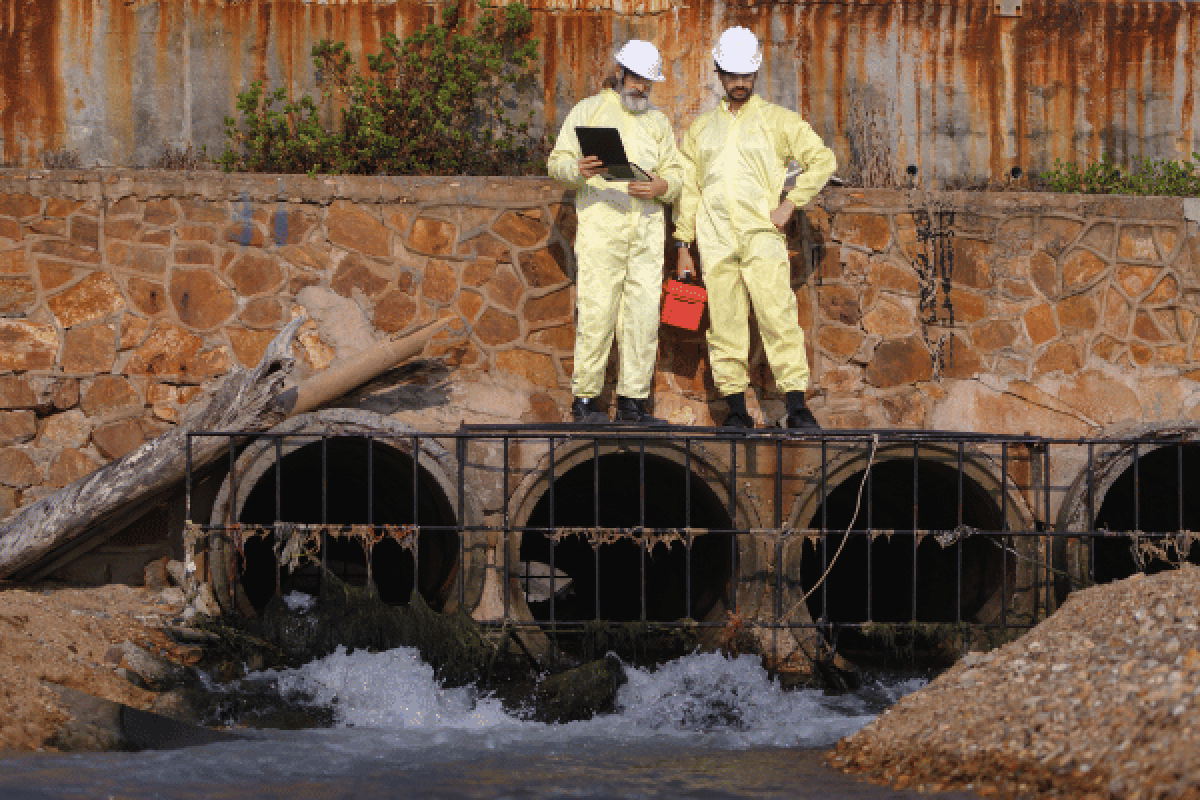
Industrial growth plays a crucial role in economic development, but it also brings significant environmental responsibilities, one of the most pressing being wastewater management. Across industries such as manufacturing, food processing, pharmaceuticals, textiles, and chemicals, wastewater is generated as a byproduct of various processes. This wastewater often contains a complex mix of contaminants that can harm ecosystems, human health, and infrastructure if not properly treated.
Understanding the common contaminants found in industrial wastewater and the importance of early detection through Wastewater testing services is essential for maintaining regulatory compliance and environmental sustainability. A reliable Wastewater testing lab can help industries identify problems early, reduce treatment costs, and avoid long-term damage.
What Is Industrial Wastewater?
Industrial wastewater refers to any water that has been used in industrial processes and has become contaminated with physical, chemical, or biological substances. Unlike domestic wastewater, which primarily contains organic matter, industrial wastewater can contain hazardous and highly variable pollutants depending on the type of industry.
Because of its complexity, industrial wastewater requires careful monitoring and treatment before discharge or reuse.
Why Identifying Contaminants Matters
The presence of contaminants in wastewater is not always immediately visible. Many pollutants are colorless, odorless, and undetectable without specialized testing. Left unchecked, they can:
- Pollute surface and groundwater sources
- Disrupt aquatic ecosystems
- Damage treatment systems and pipelines
- Pose health risks to workers and communities
- Lead to regulatory penalties and legal consequences
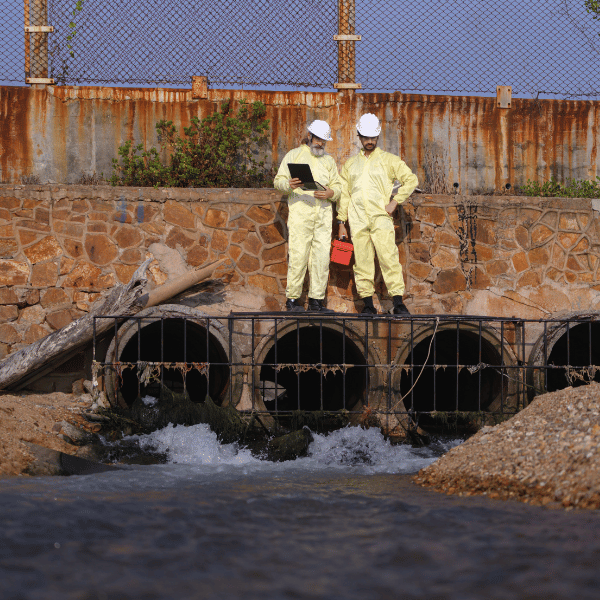
This is where Wastewater testing services become invaluable. Regular testing ensures contaminants are identified early before they escalate into serious issues.
Common Contaminants Found in Industrial Wastewater
1. Heavy Metals
Heavy metals such as lead, mercury, cadmium, chromium, and arsenic are among the most dangerous contaminants found in industrial wastewater. These often originate from industries like mining, electroplating, battery manufacturing, and metal finishing.
Even in small concentrations, heavy metals are toxic and can accumulate in living organisms over time—a process known as bioaccumulation. This makes them particularly harmful to aquatic life and humans.
Regular analysis through a certified Wastewater testing lab helps detect trace amounts early, allowing industries to implement targeted removal techniques.
2. Organic Compounds
Organic pollutants include oils, greases, solvents, pesticides, and hydrocarbons. These are commonly discharged from food processing plants, petrochemical industries, and pharmaceutical manufacturing.
High levels of organic compounds increase Biological Oxygen Demand (BOD) and Chemical Oxygen Demand (COD), which deplete oxygen levels in water bodies and harm aquatic life.
With the help of Wastewater testing services, industries can monitor BOD and COD levels and adjust treatment processes accordingly to maintain safe discharge limits.
3. Suspended Solids
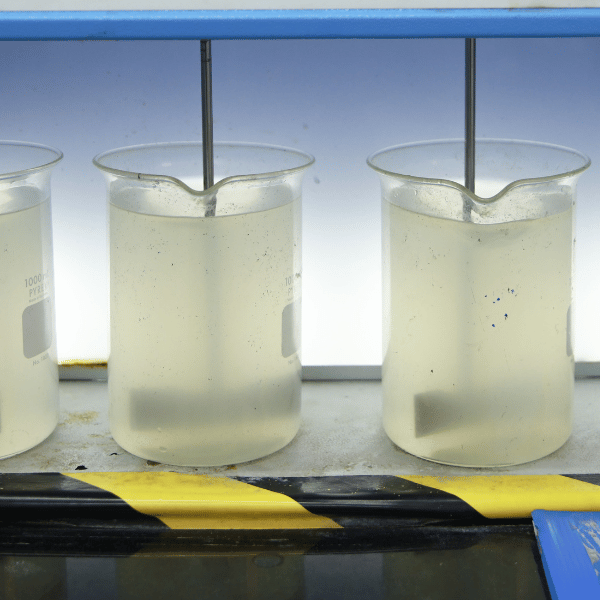
Suspended solids consist of particles like silt, metal fragments, fibers, and organic debris. These are prevalent in industries such as construction, textiles, and pulp and paper manufacturing.
High levels of suspended solids can:
- Reduce water clarity
- Clog waterways and pipes
- Interfere with aquatic photosynthesis
Routine testing at a Wastewater testing lab ensures that solids are kept within permissible limits and filtration systems are functioning effectively.
4. Nutrients (Nitrogen and Phosphorus)
While nutrients like nitrogen and phosphorus are essential for plant growth, excessive amounts in wastewater can lead to eutrophication. This process causes rapid algae growth, which depletes oxygen and creates “dead zones” in water bodies.
Industries such as agriculture, food production, and fertilizer manufacturing often contribute to nutrient-rich wastewater.
Through consistent Wastewater testing services, nutrient levels can be monitored and controlled, preventing environmental imbalances.
5. Pathogens
Industrial wastewater, especially from food processing and pharmaceutical sectors, may contain harmful microorganisms such as bacteria, viruses, and parasites.
These pathogens pose serious public health risks if they contaminate drinking water supplies or recreational water sources.
A well-equipped Wastewater testing lab can identify microbial contamination early, ensuring proper disinfection measures are applied before discharge.
6. pH Imbalances
The pH level of wastewater determines its acidity or alkalinity. Many industrial processes produce wastewater with extreme pH levels, which can corrode pipes, harm aquatic life, and reduce the effectiveness of treatment systems.
For example:
- Acidic wastewater is common in mining and metal processing
- Alkaline wastewater is often found in textile and detergent industries
Regular monitoring through Wastewater testing services helps maintain optimal pH levels and prevents damage to infrastructure and the environment.
7. Toxic Chemicals and Industrial Byproducts
Various industries release synthetic chemicals, dyes, surfactants, and other toxic byproducts into wastewater. These substances can be persistent, non-biodegradable, and difficult to remove.
Textile dyeing units, for instance, discharge colored effluents that can block sunlight penetration in water bodies, affecting aquatic ecosystems.
Testing performed in a certified Wastewater testing lab enables early detection of such compounds, allowing industries to adopt advanced treatment methods like activated carbon filtration or chemical oxidation.
The Importance of Early Detection Through Regular Testing
Preventing Environmental Damage
Early detection of contaminants ensures that corrective actions can be taken before pollutants reach natural water bodies. This helps protect biodiversity and maintain ecological balance.
Ensuring Regulatory Compliance
Environmental regulations require industries to meet strict discharge standards. Non-compliance can result in hefty fines, operational shutdowns, and reputational damage.
By partnering with professional Wastewater testing services, industries can stay compliant and maintain proper documentation for audits.
Reducing Treatment Costs
Identifying contaminants early allows industries to address issues at their source rather than dealing with large-scale contamination later. This significantly reduces treatment costs and resource consumption.
Improving Operational Efficiency
Regular testing provides valuable insights into wastewater composition, helping industries optimize their treatment processes. It also aids in identifying inefficiencies, leaks, or process failures.
A reliable Wastewater testing lab can offer detailed reports and recommendations to improve overall system performance.
Supporting Sustainable Practices
Sustainability is becoming a priority for industries worldwide. Effective wastewater management, backed by routine testing, contributes to water conservation and responsible resource use.
Industries can even explore wastewater reuse opportunities once contaminants are properly controlled.
Choosing the Right Wastewater Testing Partner
Selecting the right testing partner is critical for accurate results and effective wastewater management. When evaluating Wastewater testing services, consider the following:
- Accreditation and certifications
- Range of testing capabilities
- Turnaround time for results
- Expertise in your specific industry
- Ability to provide actionable insights
A professional Wastewater testing lab not only identifies contaminants but also helps you understand their sources and how to mitigate them.
Industrial wastewater is a complex mixture of contaminants that can have far-reaching consequences if not properly managed. From heavy metals and organic compounds to pathogens and toxic chemicals, each pollutant presents unique challenges.
However, with the support of reliable Wastewater testing services and a trusted Wastewater testing lab, industries can detect contaminants early, stay compliant with regulations, and protect both the environment and public health.
Regular testing is not just a regulatory requirement, it is a proactive strategy that safeguards your operations, reduces costs, and contributes to a more sustainable future.
Get Started with Accredited Wastewater Testing
Whether your facility needs a one-time compliance test, a recurring monitoring program, or help characterizing a new waste stream, Precision Analytical Laboratories has the expertise, accreditation, and turnaround time to support your needs.
We’ve spent the past five years working with Washington State’s most demanding industries — from naval shipyards and food processors to manufacturers and municipal utilities — delivering the accurate, defensible data they need to stay compliant and protect the environment.
Contact Precision Analytical Laboratories today:
📞 (425) 740-4597 | Mon–Fri: 6AM–5PM
📍 3430 16th Street, Everett, WA 98201
Precision Analytical Laboratories is ISO/IEC 17025:2017 accredited, Washington State Department of Ecology certified, and TNI-accredited. All wastewater testing is performed in accordance with applicable EPA methods and Standard Methods for the Examination of Water and Wastewater.
Frequently Asked Questions
What drinking water tests does PAL offer?
PAL offers drinking water analysis for pH, mercury, cyanide, and metals testing using EPA-approved methods. Our tests help identify contaminants that may be present in your water supply.
Why should I test my drinking water?
Even treated tap water can contain hidden contaminants like heavy metals, cyanide, and other substances that pose health risks. Testing gives you accurate data about what is in your water so you can take appropriate action.
How do I submit a drinking water sample to PAL?
You can deliver samples to our lab at 3430 16th Street, Everett, WA 98201 during business hours (Mon-Fri, 6am-5pm). Contact us at (425) 740-4597 for sample collection instructions and container requirements.
Is PAL accredited for drinking water testing?
Yes. PAL is PJLA/TNI accredited, Washington State Department of Ecology certified, and ISO 17025:2017 certified. Our accreditations ensure your drinking water test results meet the highest quality standards.
Have more questions? Contact Precision Analytical Laboratories at (425) 740-4597 or request a consultation.