In today’s industrial and environmentally conscious world, wastewater testing has become an essential part of protecting public health, preserving natural water resources, and ensuring regulatory compliance. From manufacturing plants and food processing facilities to hospitals, laboratories, and municipal treatment systems, organizations generate wastewater that may contain harmful contaminants capable of damaging ecosystems and human health if left untreated. As environmental regulations continue to tighten in 2026, laboratories play a critical role in identifying pollutants, monitoring water quality, and helping industries maintain safe discharge standards. Modern wastewater analysis involves advanced scientific techniques designed to detect everything from heavy metals and bacteria to toxic chemicals, nutrients, oils, and emerging contaminants such as PFAS and pharmaceutical residues.
What Is Wastewater Testing?
Wastewater testing refers to the scientific analysis of used water to determine the presence and concentration of physical, chemical, and biological contaminants. Wastewater may originate from industrial facilities, commercial buildings, municipal sewer systems, agricultural operations, or healthcare institutions. Before wastewater is discharged into rivers, lakes, groundwater systems, or municipal treatment facilities, laboratories analyze samples to determine whether pollutant levels meet environmental standards. These tests help identify contamination risks, evaluate treatment system performance, and ensure compliance with local, state, and federal regulations.
The main goal ofwastewater testing is to prevent harmful pollutants from entering the environment while supporting safe water reuse and sustainable wastewater management practices. In addition to regulatory compliance, wastewater analysis also helps industries improve operational efficiency, reduce environmental risks, and strengthen sustainability initiatives. Accurate laboratory data allows facilities to optimize treatment systems, identify inefficiencies, conserve water resources, and avoid costly environmental penalties.
The Wastewater Sampling Process
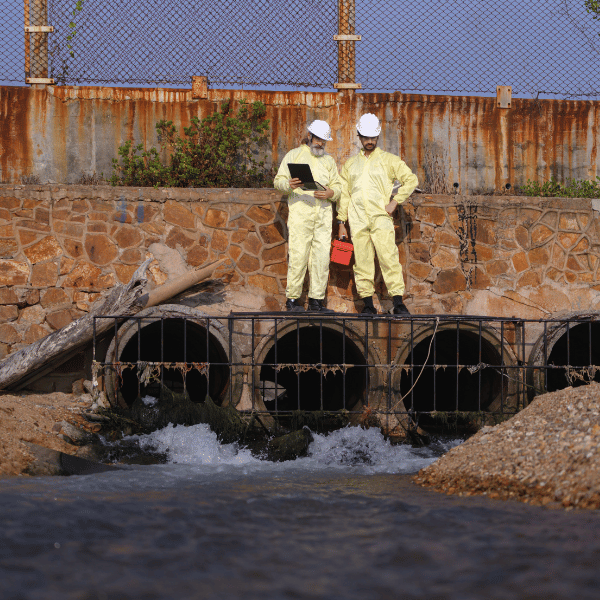
Before laboratory testing can begin, wastewater samples must first be collected properly. Sampling is one of the most important steps in wastewater analysis because inaccurate sampling can lead to unreliable results. Environmental professionals collect wastewater samples from designated discharge points, treatment systems, holding tanks, or sewer connections using carefully controlled procedures designed to maintain sample integrity.
Laboratories generally rely on two primary sampling methods: grab sampling and composite sampling. Grab samples involve collecting a single sample at a specific point in time and are often used for parameters such as pH, temperature, dissolved oxygen, and bacteria testing. Composite sampling, on the other hand, combines multiple samples collected over several hours or an entire day to provide a more representative overview of wastewater quality. This method is commonly used by industrial facilities where pollutant concentrations fluctuate throughout production cycles.
Once samples are collected, they must be stored and transported under strict conditions to prevent contamination or chemical changes before laboratory analysis begins. Most certified laboratories follow chain-of-custody procedures to document every stage of sample handling and ensure testing accuracy.
Initial Laboratory Evaluation
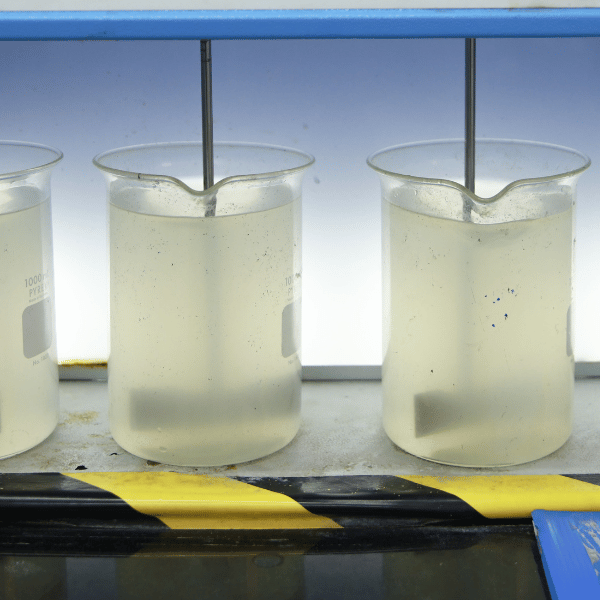
When wastewater samples arrive at the laboratory, technicians first perform a preliminary evaluation. Analysts examine the sample’s physical appearance, including color, odor, turbidity, and temperature. These visual and sensory observations often provide early indications of contamination levels or operational problems within a treatment system.
For example, dark or cloudy wastewater may suggest high organic pollution or suspended solids, while oily films on the water surface can indicate petroleum contamination. Strong odors may point to biological decomposition or chemical pollutants. Laboratories also conduct basic measurements such as pH and conductivity before moving on to more advanced analytical testing.
This initial evaluation helps laboratory professionals determine which specialized tests may be necessary and provides important context for interpreting final results.
Testing for Physical Contaminants
One of the first major categories analyzed duringwastewater testing involves physical contaminants. Among the most common tests is Total Suspended Solids (TSS) analysis, which measures the concentration of solid particles suspended in wastewater. High TSS levels can reduce water clarity, damage aquatic habitats, clog treatment systems, and contribute to sediment buildup in rivers and lakes.
To measure TSS, laboratories typically filter wastewater through specialized membranes and weigh the solids remaining after drying. Industries such as construction, mining, and manufacturing closely monitor suspended solids because these contaminants are commonly associated with industrial runoff and process wastewater.
Turbidity testing is another important physical analysis that measures how cloudy or unclear wastewater appears due to suspended particles. Laboratories use instruments called nephelometers to determine turbidity levels, which often indicate treatment system performance and overall water quality.
Chemical Contaminant Testing
Chemical analysis forms the foundation of most wastewater testingprograms because industrial wastewater frequently contains potentially hazardous chemical compounds. One of the most essential tests involves measuring pH levels, which indicate whether wastewater is acidic or alkaline. Extreme pH levels can damage treatment equipment, disrupt biological treatment processes, and harm aquatic ecosystems if discharged untreated.
Laboratories also perform Biological Oxygen Demand (BOD) testing, which measures the amount of oxygen microorganisms required to break down organic matter present in wastewater. High BOD levels suggest elevated organic pollution and can significantly reduce oxygen levels in natural water bodies, threatening fish and other aquatic life.
Chemical Oxygen Demand (COD) testing is commonly conducted alongside BOD analysis. COD measures the total amount of oxygen required to chemically oxidize pollutants in wastewater. Unlike BOD testing, which may require several days, COD testing provides faster results and helps industries quickly assess pollution strength and treatment efficiency.
Nutrient testing is another critical component of wastewater analysis. Excess nitrogen and phosphorus in wastewater can contribute to eutrophication, harmful algal blooms, and declining water quality in lakes and rivers. Agricultural facilities, food processing plants, and municipal treatment systems often conduct routine nutrient monitoring to remain compliant with environmental regulations.
Heavy Metal Analysis
Heavy metals are among the most dangerous contaminants found in industrial wastewater because they can accumulate in ecosystems and pose serious risks to both human health and aquatic organisms. Industries such as metal finishing, mining, manufacturing, electronics production, and chemical processing often generate wastewater containing metals such as lead, mercury, chromium, cadmium, copper, and zinc.
Laboratories use highly advanced analytical instruments such as Inductively Coupled Plasma Mass Spectrometry (ICP-MS) and Atomic Absorption Spectroscopy (AAS) to detect heavy metals at extremely low concentrations. These technologies allow scientists to identify even trace levels of contamination with remarkable accuracy.
Heavy metal testing is especially important because many environmental regulations establish extremely strict discharge limits for toxic metals. Accurate testing helps industrial facilities avoid environmental violations and ensure wastewater treatment systems are functioning properly.
Microbiological Testing
In addition to physical and chemical pollutants, wastewater may also contain harmful microorganisms that threaten public health and environmental safety. Microbiological testing helps laboratories detect bacteria, viruses, fungi, and other pathogens commonly associated with sewage contamination, food waste, healthcare facilities, and agricultural runoff.
One of the most widely used microbiological tests involves detecting coliform bacteria and E. coli, which indicate possible fecal contamination. Laboratories use culture methods, membrane filtration, and advanced molecular testing technologies to identify microbial contaminants in wastewater samples.
Industries involved in food production, healthcare, and pharmaceutical manufacturing often rely heavily on microbial wastewater testing to maintain sanitation standards and prevent contamination risks.
Testing for Oils, Grease, and Hydrocarbons
Many industrial operations generate wastewater containing oils, grease, and petroleum-based hydrocarbons. Automotive facilities, transportation companies, refineries, manufacturing plants, and food processing operations are particularly susceptible to these contaminants.
Excessive oil and grease contamination can interfere with wastewater treatment systems, damage sewer infrastructure, and create serious environmental hazards if released into waterways. Laboratories commonly use extraction and gravimetric analysis methods to measure oil and grease concentrations in wastewater samples.
For more complex hydrocarbon contamination, laboratories may use advanced gas chromatography techniques capable of identifying specific petroleum compounds and industrial solvents.
Emerging Contaminants and Advanced Wastewater Testing
Wastewater testing has evolved significantly in recent years due to growing concerns about emerging contaminants. Substances such as PFAS, pharmaceutical residues, pesticides, hormones, and microplastics are increasingly being detected in industrial and municipal wastewater systems. These contaminants are particularly concerning because they may persist in the environment for long periods and are often difficult to remove using conventional treatment technologies.
To identify these complex pollutants, laboratories now use highly advanced analytical tools such as liquid chromatography-mass spectrometry (LC-MS) and high-resolution mass spectrometry. These technologies allow scientists to detect contaminants at extremely low concentrations while providing detailed chemical analysis.
As environmental regulations continue to evolve, testing for emerging contaminants is becoming an increasingly important part of modern wastewater management programs.
Quality Control and Accuracy in Wastewater Testing
Accuracy is essential in wastewater analysis because laboratory results directly influence environmental compliance, operational decisions, and treatment system performance. Certified laboratories follow strict quality assurance and quality control procedures to ensure reliable results throughout the testing process.
These procedures include instrument calibration, duplicate sample analysis, blank testing, and adherence to standardized methods established by organizations such as the United States Environmental Protection Agency and the American Public Health Association. Many accredited laboratories also participate in proficiency testing programs to verify analytical performance and maintain certification standards.
Reliable wastewater testing data is critical not only for meeting regulatory requirements but also for protecting environmental quality and maintaining public trust.
The Future of Wastewater Testing
Wastewater testing technology continues to advance rapidly as industries and environmental agencies seek faster, more accurate, and more automated monitoring solutions. Real-time wastewater monitoring systems equipped with digital sensors are becoming increasingly common in industrial facilities and municipal treatment plants. These systems continuously measure pollutant levels and provide immediate alerts when contamination exceeds regulatory thresholds.
Artificial intelligence and predictive analytics are also transforming wastewater management by helping facilities analyze historical data, identify patterns, predict treatment failures, and optimize operational performance. At the same time, environmental agencies are increasing their focus on sustainability, water reuse, and emerging contaminants, placing even greater importance on accurate wastewater analysis.
As industries continue to face stricter environmental standards and growing public expectations for sustainability, laboratories will remain at the center of protecting water quality and supporting responsible wastewater management.
Wastewater testing is one of the most important tools for protecting public health, preserving natural ecosystems, and ensuring environmental compliance. Laboratories use a wide range of scientific methods and advanced technologies to identify physical, chemical, and biological contaminants in wastewater generated by industrial, commercial, and municipal operations.
From measuring pH and suspended solids to detecting heavy metals, pathogens, oils, and emerging contaminants, wastewater laboratories provide essential data that helps organizations maintain safe treatment systems and comply with environmental regulations. As sustainability and water conservation become increasingly important worldwide, accurate wastewater testing will continue to play a vital role in protecting valuable water resources and supporting a cleaner, safer future.
About Us
Precision Analytical Labs is a leading provider of comprehensive environmental testing services, specializing in wastewater testing, soil analysis, and air quality monitoring. With state-of-the-art facilities and a team of experienced professionals, we deliver accurate and reliable results to help businesses and industries comply with regulatory standards and protect the environment. Our commitment to quality and customer satisfaction sets us apart, making us the trusted partner for all environmental testing needs.
Contact Precision Analytical Laboratories today:
📞 (425) 740-4597 | Mon–Fri: 6AM–5PM
📍 3430 16th Street, Everett, WA 98201
Precision Analytical Laboratories is ISO/IEC 17025:2017 accredited, Washington State Department of Ecology certified, and TNI-accredited. All wastewater testing is performed in accordance with applicable EPA methods and Standard Methods for the Examination of Water and Wastewater.
Frequently Asked Questions
What drinking water tests does PAL offer?
PAL offers drinking water analysis for pH, mercury, cyanide, and metals testing using EPA-approved methods. Our tests help identify contaminants that may be present in your water supply.
Why should I test my drinking water?
Even treated tap water can contain hidden contaminants like heavy metals, cyanide, and other substances that pose health risks. Testing gives you accurate data about what is in your water so you can take appropriate action.
How do I submit a drinking water sample to PAL?
You can deliver samples to our lab at 3430 16th Street, Everett, WA 98201 during business hours (Mon-Fri, 6am-5pm). Contact us at (425) 740-4597 for sample collection instructions and container requirements.
Is PAL accredited for drinking water testing?
Yes. PAL is PJLA/TNI accredited, Washington State Department of Ecology certified, and ISO 17025:2017 certified. Our accreditations ensure your drinking water test results meet the highest quality standards.
Have more questions? Contact Precision Analytical Laboratories at (425) 740-4597 or request a consultation.