Marine ecosystems are among the planet’s most valuable natural resources, supporting biodiversity, global commerce, fisheries, tourism, and coastal communities. However, increasing industrial activity, maritime transportation, offshore operations, and coastal development have significantly increased the amount of wastewater discharged into oceans and coastal waters. To protect these sensitive environments, regulatory agencies worldwide have established strict wastewater discharge standards. As a result, marine wastewater testing has become an essential practice for organizations operating in marine and coastal environments.
Whether it involves shipping companies, offshore oil and gas platforms, seafood processing facilities, ports, or coastal industries, regular marine wastewater analysis is critical for maintaining environmental compliance. Beyond simply meeting regulatory requirements, routine wastewater testing helps organizations protect marine ecosystems, reduce environmental risks, avoid costly penalties, and demonstrate their commitment to sustainable operations.
In today’s increasingly regulated environmental landscape, marine wastewater testing is no longer optional, it is a fundamental component of responsible marine resource management.
Understanding Marine Wastewater Testing
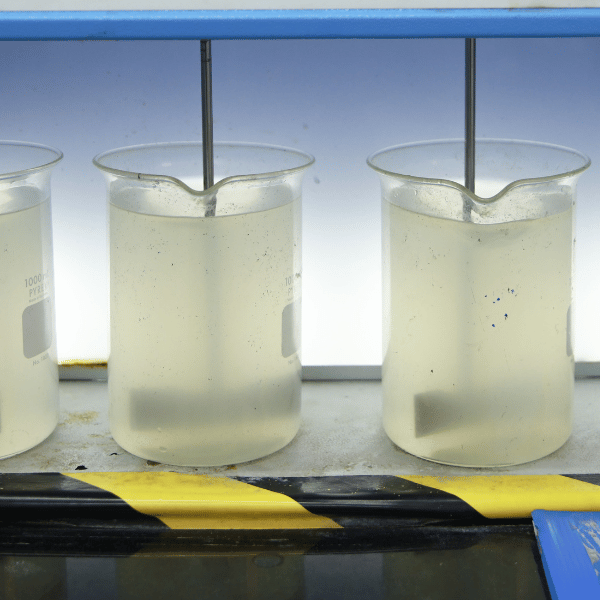
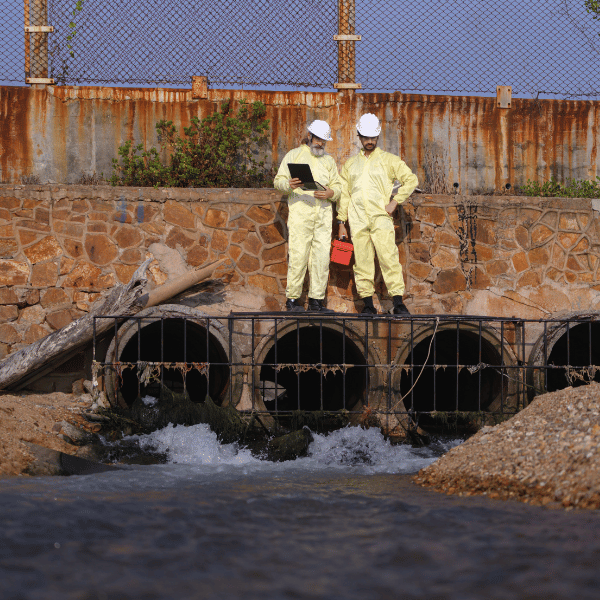
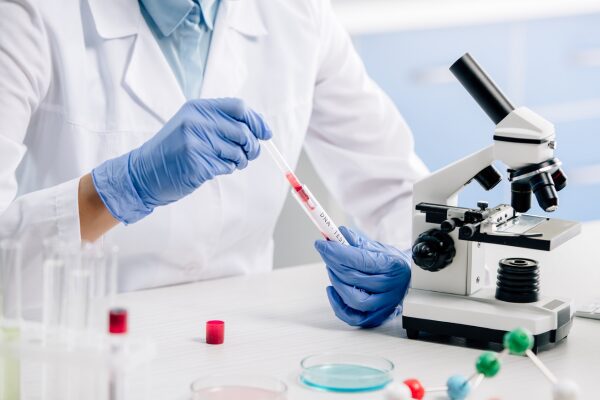
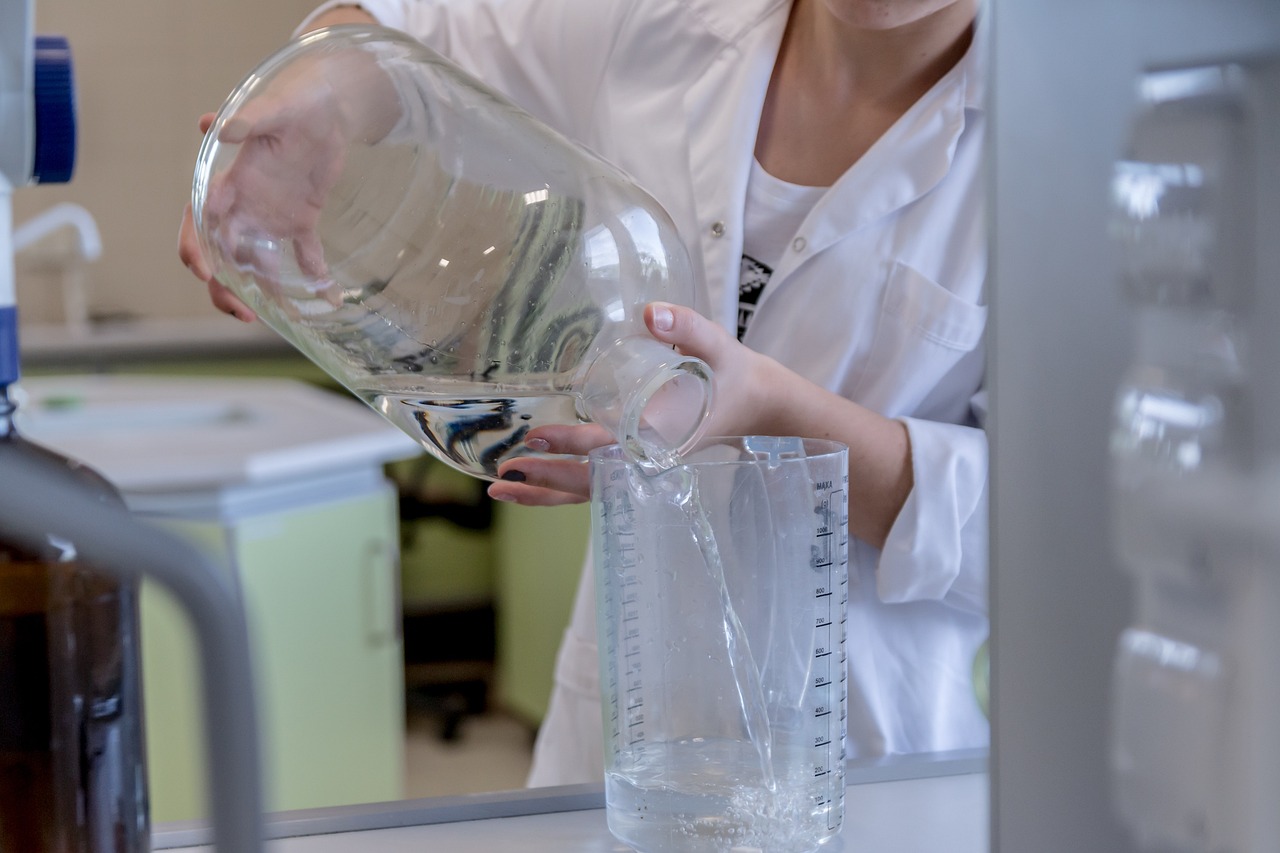
Marine wastewater testing refers to the process of analyzing wastewater generated by maritime and coastal operations before it is discharged into marine environments. The purpose of testing is to identify contaminants, assess water quality, evaluate treatment system performance, and ensure compliance with applicable environmental regulations.
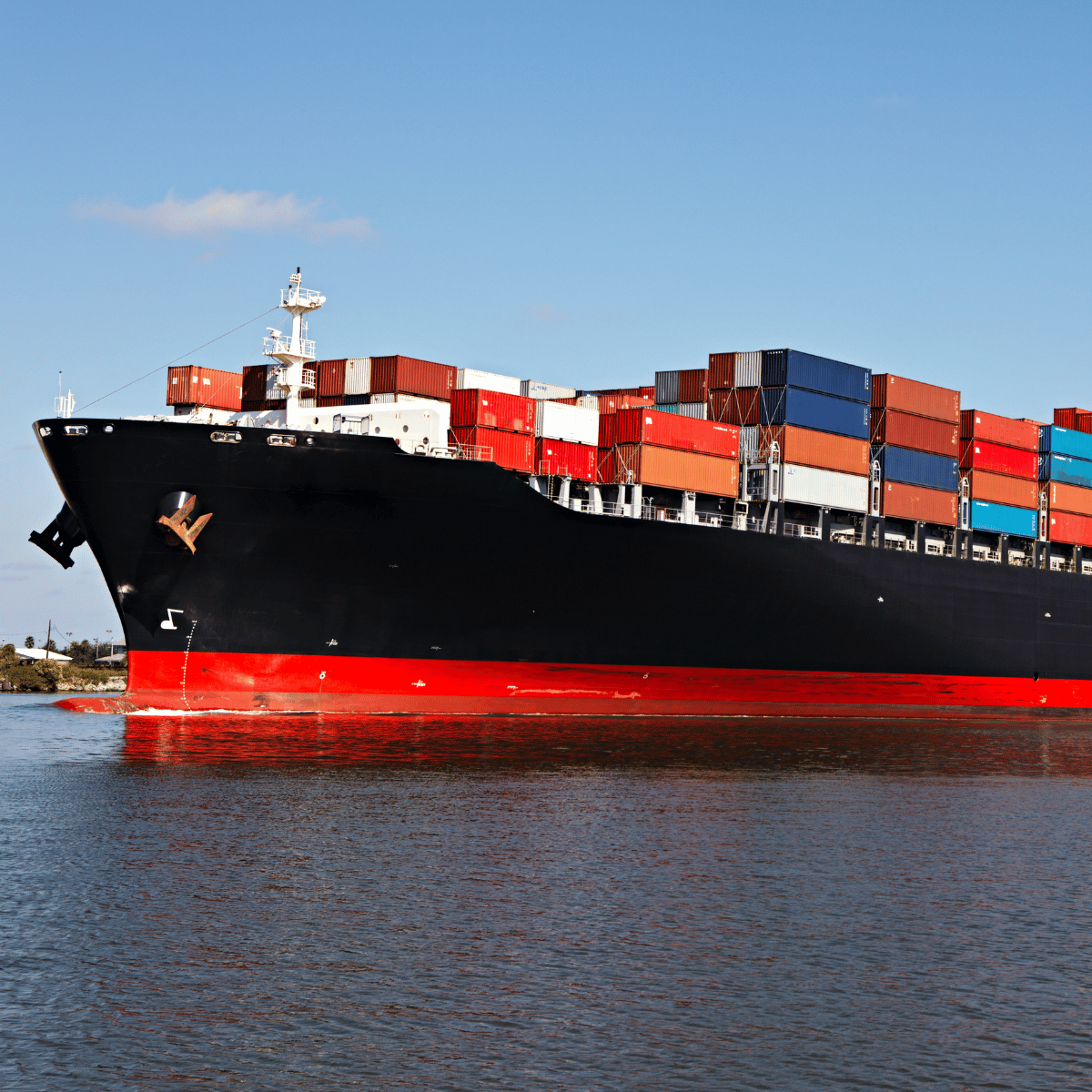
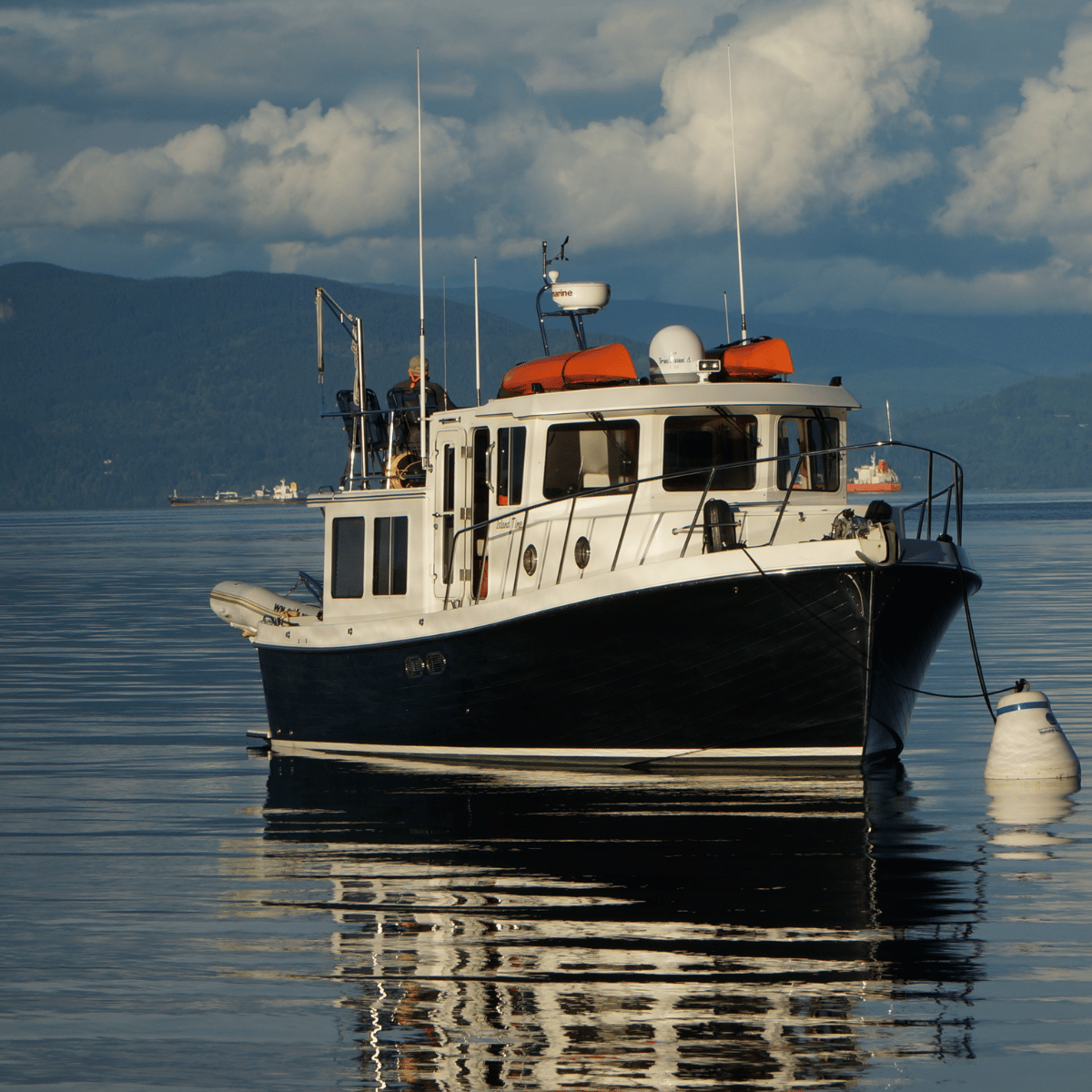
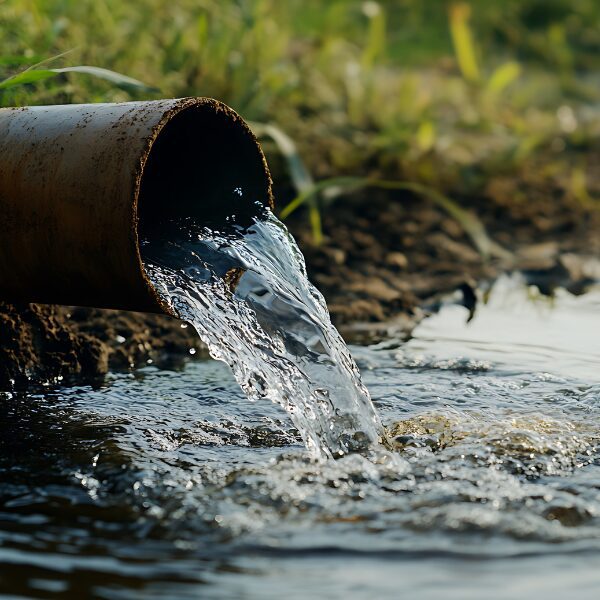
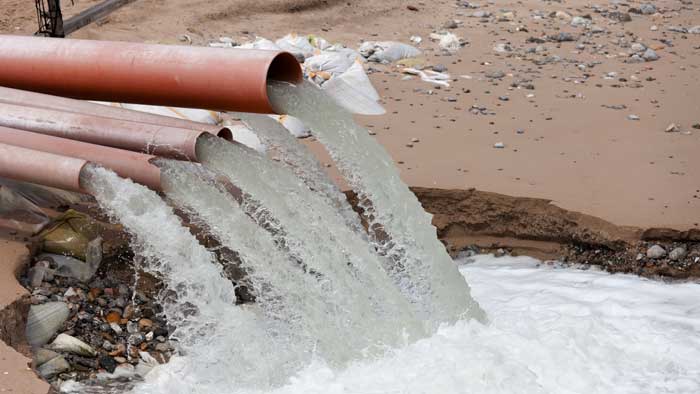
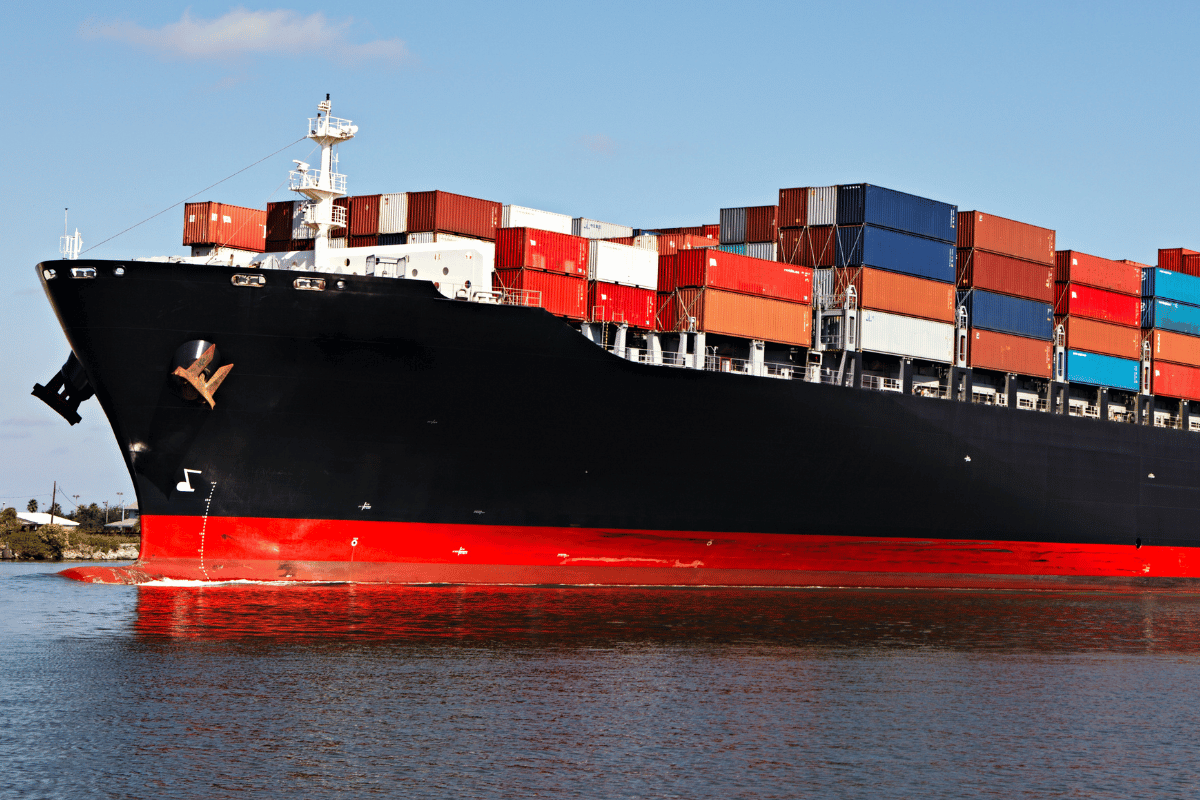
Marine wastewater may originate from numerous sources, including commercial vessels, cruise ships, offshore platforms, ports, marinas, seafood processing facilities, coastal manufacturing plants, and municipal wastewater treatment facilities located near shorelines.
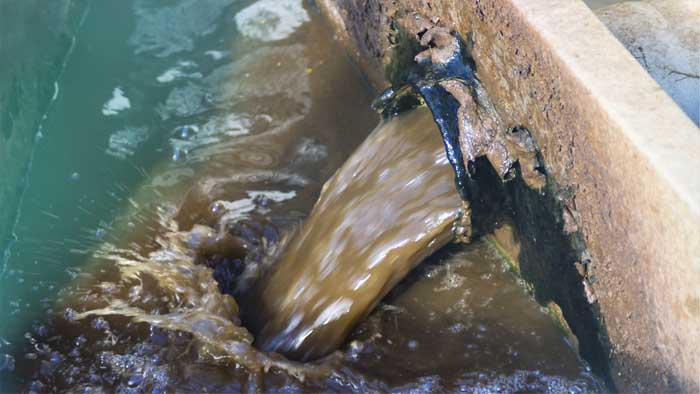
Unlike conventional wastewater discharges, marine wastewater enters highly sensitive aquatic ecosystems where pollutants can spread rapidly and impact large geographic areas. Consequently, regulatory agencies impose stringent discharge standards designed to minimize environmental harm.
Regular analysis allows organizations to monitor pollutant levels consistently and verify that wastewater treatment systems are functioning effectively.
The Growing Importance of Compliance in Marine Operations
Environmental regulations governing marine wastewater discharges have become increasingly stringent over the past several decades. Governments and international organizations recognize that untreated or poorly treated wastewater can severely damage marine ecosystems and threaten public health.
Pollutants discharged into oceans and coastal waters can degrade water quality, destroy habitats, contaminate seafood resources, and harm marine organisms ranging from microscopic plankton to fish, seabirds, and marine mammals.
As environmental awareness grows, regulators are intensifying enforcement efforts and requiring organizations to maintain comprehensive monitoring programs. Companies that fail to comply with wastewater discharge requirements may face substantial financial penalties, legal action, operational restrictions, and significant reputational damage.
For this reason, regular marine wastewater testing serves as both a compliance tool and a risk management strategy. Consistent monitoring helps facilities identify potential issues early and implement corrective actions before violations occur.
Regulatory Requirements Governing Marine Wastewater
Marine wastewater discharges are subject to a complex framework of international, federal, state, and local regulations. These requirements vary depending on the type of operation, discharge location, and wastewater characteristics.
One of the most significant international agreements is the International Convention for the Prevention of Pollution from Ships (MARPOL), administered by the International Maritime Organization (IMO). MARPOL establishes standards for managing ship-generated sewage, oily wastewater, garbage, and other pollutants.
Within the United States, marine wastewater discharges are regulated primarily under the Clean Water Act. Organizations discharging wastewater into marine waters often require permits through the National Pollutant Discharge Elimination System (NPDES). These permits establish specific discharge limits and monitoring requirements.
Coastal states may impose additional environmental standards to protect sensitive ecosystems, shellfish harvesting areas, recreational waters, and marine habitats.
Regular marine wastewater analysis is essential because permits typically require ongoing sampling, laboratory testing, and reporting to demonstrate compliance. Failure to provide accurate monitoring data may itself constitute a regulatory violation.
Key Contaminants Evaluated During Marine Wastewater Testing
Effective marine wastewater testing involves analyzing numerous physical, chemical, and biological parameters that influence water quality and ecosystem health.
Nutrient analysis is particularly important because excessive nitrogen and phosphorus discharges can trigger harmful algal blooms, oxygen depletion, and eutrophication. These conditions may result in fish kills and significant ecosystem disruption.
Heavy metals such as mercury, cadmium, chromium, copper, lead, and zinc are also closely monitored. These contaminants frequently originate from industrial processes, vessel maintenance activities, antifouling coatings, and stormwater runoff. Because heavy metals accumulate in marine sediments and organisms, they can create long-term ecological impacts.
Hydrocarbon testing is another critical component of marine wastewater analysis. Ports, shipping operations, offshore facilities, and shipyards may generate wastewater containing petroleum products, oils, and fuel residues. Even small releases can adversely affect marine wildlife and habitats.
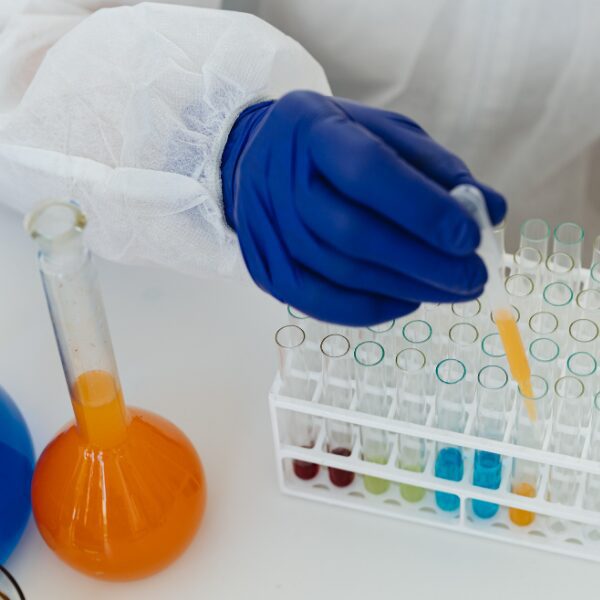
Laboratories also routinely measure Biological Oxygen Demand (BOD), Chemical Oxygen Demand (COD), pH, total suspended solids, salinity, dissolved oxygen, and oil and grease concentrations. These parameters provide valuable information regarding wastewater treatment effectiveness and overall discharge quality.
Microbiological testing is equally important, particularly in areas used for recreation, aquaculture, or shellfish harvesting. Wastewater containing harmful bacteria, viruses, and pathogens may pose significant public health risks if discharged without proper treatment.
Increasingly, marine wastewater testing programs are expanding to include emerging contaminants such as PFAS compounds, pharmaceutical residues, personal care products, pesticides, and microplastics.
How Regular Marine Wastewater Analysis Supports Compliance
Routine wastewater analysis provides organizations with the data needed to verify compliance with discharge permits and environmental regulations. Without regular testing, facilities may unknowingly release pollutants at concentrations exceeding permitted limits.
Continuous monitoring allows operators to identify changes in wastewater quality and treatment system performance before environmental violations occur. Early detection is particularly important because many wastewater treatment issues develop gradually over time.
For example, treatment equipment failures, process inefficiencies, or changes in operational activities may alter wastewater characteristics significantly. Regular testing helps organizations detect these changes promptly and implement corrective actions.
Consistent marine wastewater testing also provides documented evidence demonstrating regulatory compliance. During inspections or audits, organizations can present laboratory reports and monitoring records showing that wastewater discharges remained within approved limits.
Maintaining comprehensive records not only satisfies regulatory requirements but also strengthens an organization’s environmental management program.
Preventing Costly Environmental Violations
Environmental non-compliance can be extremely expensive. Regulatory agencies may impose substantial fines for wastewater violations, particularly when discharges cause environmental damage.
Beyond monetary penalties, organizations may incur cleanup costs, legal expenses, operational delays, permit modifications, and increased regulatory scrutiny. In severe cases, violations may lead to facility shutdowns or criminal enforcement actions.
Routine marine wastewater analysis significantly reduces these risks by providing ongoing oversight of discharge quality. Rather than reacting to violations after they occur, organizations can proactively address issues through preventive maintenance, treatment optimization, and operational improvements.
This proactive approach often proves far more cost-effective than responding to enforcement actions or environmental incidents.
Protecting Marine Ecosystems Through Continuous Monitoring
Compliance is not solely about satisfying regulatory agencies; it is fundamentally about protecting marine environments from pollution. Oceans and coastal ecosystems support diverse species and provide essential ecological services that benefit communities worldwide.
Untreated wastewater can disrupt food chains, destroy habitats, contaminate fisheries, and reduce biodiversity. Some pollutants may persist in marine environments for decades, creating long-term ecological consequences.
Regular marine wastewater testing allows organizations to evaluate the environmental effectiveness of their wastewater management programs continuously. Monitoring data helps identify pollution trends, assess ecosystem risks, and support environmental stewardship initiatives.
Organizations that prioritize environmental monitoring contribute directly to preserving marine biodiversity and maintaining healthy coastal ecosystems.
Supporting Sustainability and Corporate Responsibility
Sustainability has become a major business priority across nearly every industry. Investors, customers, regulators, and communities increasingly expect organizations to demonstrate responsible environmental practices.
Marine wastewater management is now an important component of Environmental, Social, and Governance (ESG) initiatives. Regular marine wastewater testing provides measurable data that organizations can use to support sustainability reporting and environmental performance assessments.
Companies that maintain strong compliance records often enjoy enhanced brand reputation, improved stakeholder trust, and stronger relationships with regulators and local communities.
Furthermore, effective wastewater monitoring frequently identifies opportunities to improve resource efficiency, reduce waste generation, conserve water, and optimize treatment processes.
As sustainability expectations continue to increase, proactive wastewater management will remain essential for long-term business success.
Emerging Technologies Are Improving Compliance Monitoring
Technological advancements are transforming marine wastewater compliance programs. Modern facilities increasingly utilize automated monitoring systems capable of continuously measuring water quality parameters in real time.
Real-time monitoring technologies provide immediate notification when wastewater conditions approach regulatory thresholds, allowing operators to respond quickly and prevent violations.
Remote sensors, digital reporting platforms, and cloud-based data management systems have significantly improved the efficiency and accuracy of compliance monitoring.
Artificial intelligence and predictive analytics are also beginning to play a larger role in wastewater management. By analyzing historical data, these technologies can identify patterns, predict equipment failures, and optimize treatment system performance.
As environmental regulations continue to evolve, advanced monitoring technologies will become increasingly important for maintaining compliance and improving environmental performance.
Best Practices for Effective Marine Wastewater Compliance
Organizations seeking to maintain compliance should establish comprehensive marine wastewater monitoring programs tailored to their specific operations and regulatory obligations.
Routine sampling schedules should be developed based on permit requirements, operational risks, and environmental sensitivity. Working with accredited environmental laboratories ensures analytical accuracy and regulatory acceptance.
Facilities should also maintain wastewater treatment systems proactively through regular inspections, preventive maintenance, and staff training. Employees responsible for wastewater management should understand permit conditions, sampling procedures, and emergency response protocols.
Equally important is maintaining detailed documentation of monitoring activities, laboratory results, maintenance records, and corrective actions. Thorough recordkeeping strengthens compliance efforts and facilitates regulatory inspections.
By integrating testing, treatment, maintenance, and documentation into a comprehensive environmental management system, organizations can significantly reduce compliance risks.
In an era of increasing environmental oversight and growing concern for marine ecosystem health, regular marine wastewater testing has become indispensable for compliance. Routine analysis enables organizations to monitor wastewater quality, verify treatment effectiveness, identify potential problems early, and demonstrate adherence to environmental regulations.
Beyond regulatory requirements, consistent marine wastewater analysis helps protect marine ecosystems, reduce environmental risks, support sustainability initiatives, and strengthen corporate responsibility. Organizations that invest in proactive wastewater monitoring are better positioned to avoid costly violations while contributing to the long-term preservation of valuable marine resources.
As environmental expectations continue to rise, marine wastewater testing will remain a cornerstone of responsible marine operations and effective environmental stewardship.
About Us
Precision Analytical Labs is a leading provider of comprehensive environmental testing services, specializing in wastewater testing, soil analysis, and air quality monitoring. With state-of-the-art facilities and a team of experienced professionals, we deliver accurate and reliable results to help businesses and industries comply with regulatory standards and protect the environment. Our commitment to quality and customer satisfaction sets us apart, making us the trusted partner for all environmental testing needs.
Frequently Asked Questions
What marine wastewater testing services does PAL offer?
Precision Analytical Laboratories provides comprehensive wastewater testing for vessel operators, shipyards, and marine manufacturers including military, cruising, fishing, and cargo vessels. We test for pH, SVOCs, RCRA 8 metals, FOG, cyanide, TCLP, and more.
Is PAL accredited for marine wastewater testing?
Yes. PAL holds PJLA/TNI accreditation, Washington State Department of Ecology lab certification, and ISO 17025:2017 certification. Our accreditation ensures your test results meet all regulatory and compliance requirements.
How quickly can PAL return marine wastewater test results?
PAL offers fast turnaround times on all wastewater testing. Contact us at (425) 740-4597 for current turnaround estimates based on your specific testing needs.
Does PAL serve marine businesses outside of Washington State?
Yes. While we are based in Snohomish County, Washington, we work with marine and maritime clients throughout Washington State and beyond.
Have more questions? Contact Precision Analytical Laboratories at (425) 740-4597 or request a consultation.