Marine environments are among the world’s most valuable natural resources, supporting biodiversity, global trade, fisheries, tourism, and coastal communities. However, increasing industrialization, maritime activities, urban development, and population growth have placed significant pressure on marine ecosystems. One of the most pressing environmental concerns today is the discharge of untreated or inadequately treated wastewater into oceans, estuaries, and coastal waters. This is where marine wastewater testing plays a critical role.
As environmental regulations become stricter and sustainability initiatives gain momentum, marine wastewater testing has become an essential component of environmental monitoring programs worldwide. From commercial ports and shipping operations to coastal industries and offshore facilities, organizations rely on comprehensive testing to ensure that wastewater discharges do not negatively impact marine ecosystems.
This article explores the importance of marine wastewater testing, the contaminants commonly analyzed, testing methods used by laboratories, regulatory requirements, and how effective monitoring helps protect marine environments for future generations.
Understanding Marine Wastewater Testing
Marine wastewater testing is the process of analyzing wastewater generated by ships, ports, coastal industries, offshore platforms, seafood processing facilities, and municipal sources before it is discharged into marine environments. The primary objective is to identify pollutants, assess water quality, and ensure compliance with environmental regulations designed to protect oceans and coastal ecosystems.
Unlike conventional wastewater analysis, marine wastewater testing often involves evaluating wastewater that may eventually enter highly sensitive aquatic environments. Because marine ecosystems are complex and interconnected, even relatively small amounts of contamination can have significant ecological consequences.
Comprehensive testing programs help identify contaminants early, allowing organizations to implement appropriate treatment measures before wastewater is released into the environment.
Why Marine Wastewater Testing Is Important
Healthy marine ecosystems provide numerous environmental, economic, and social benefits. Oceans regulate climate, support fisheries, sustain biodiversity, and provide livelihoods for millions of people worldwide. However, marine pollution continues to threaten these valuable resources.
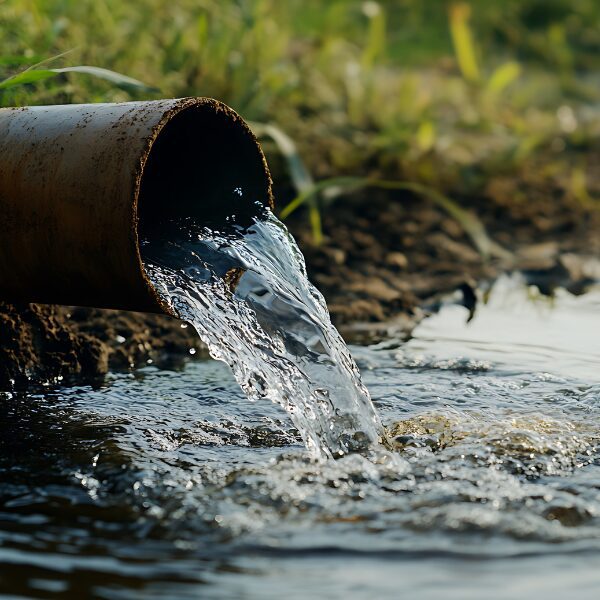
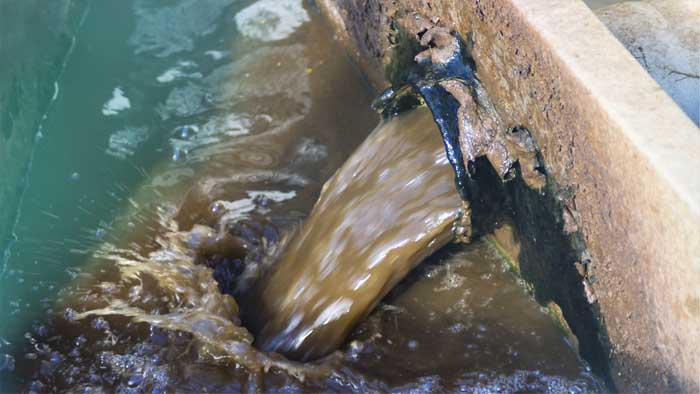
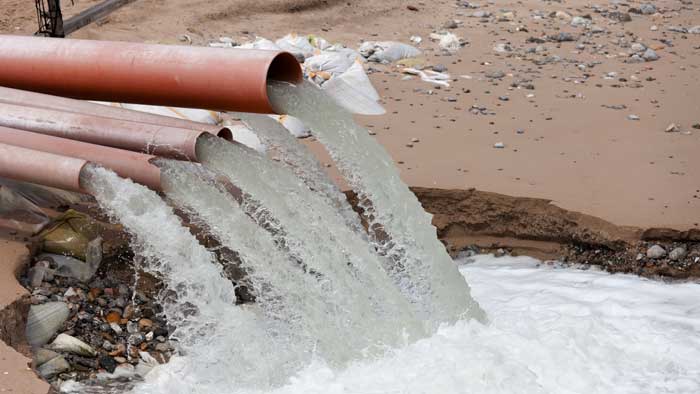
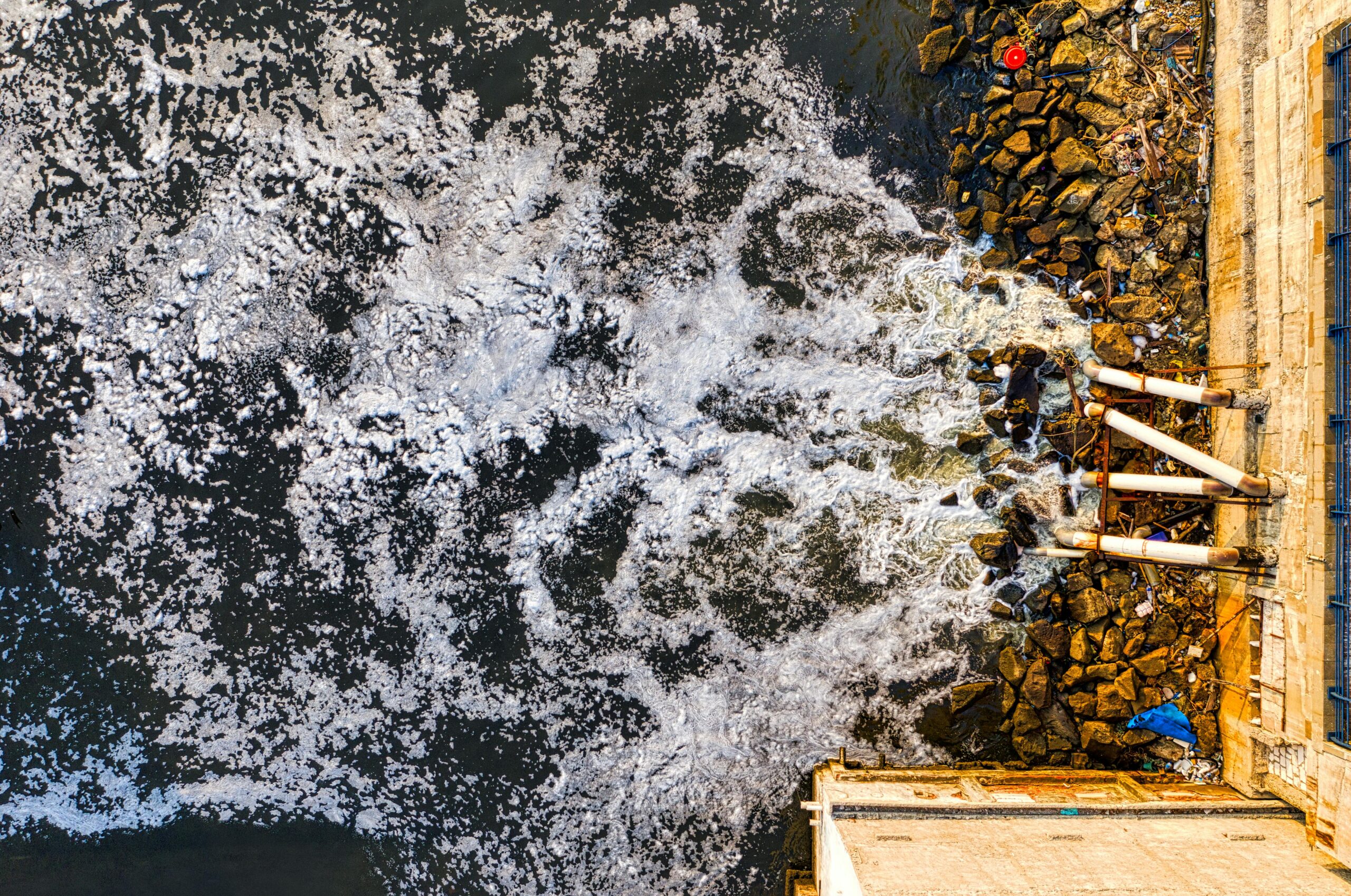
Untreated wastewater can introduce excessive nutrients, pathogens, toxic chemicals, heavy metals, hydrocarbons, and other pollutants into coastal waters. These contaminants can degrade water quality, damage marine habitats, harm aquatic organisms, and pose risks to human health.
Marine wastewater testing serves as a critical environmental safeguard by identifying pollution sources and ensuring wastewater treatment systems operate effectively. Routine monitoring allows organizations to detect contamination before it causes long-term environmental damage.
Additionally, marine wastewater testing helps facilities comply with environmental permits, avoid costly regulatory violations, and demonstrate their commitment to sustainable operations.
Major Sources of Marine Wastewater
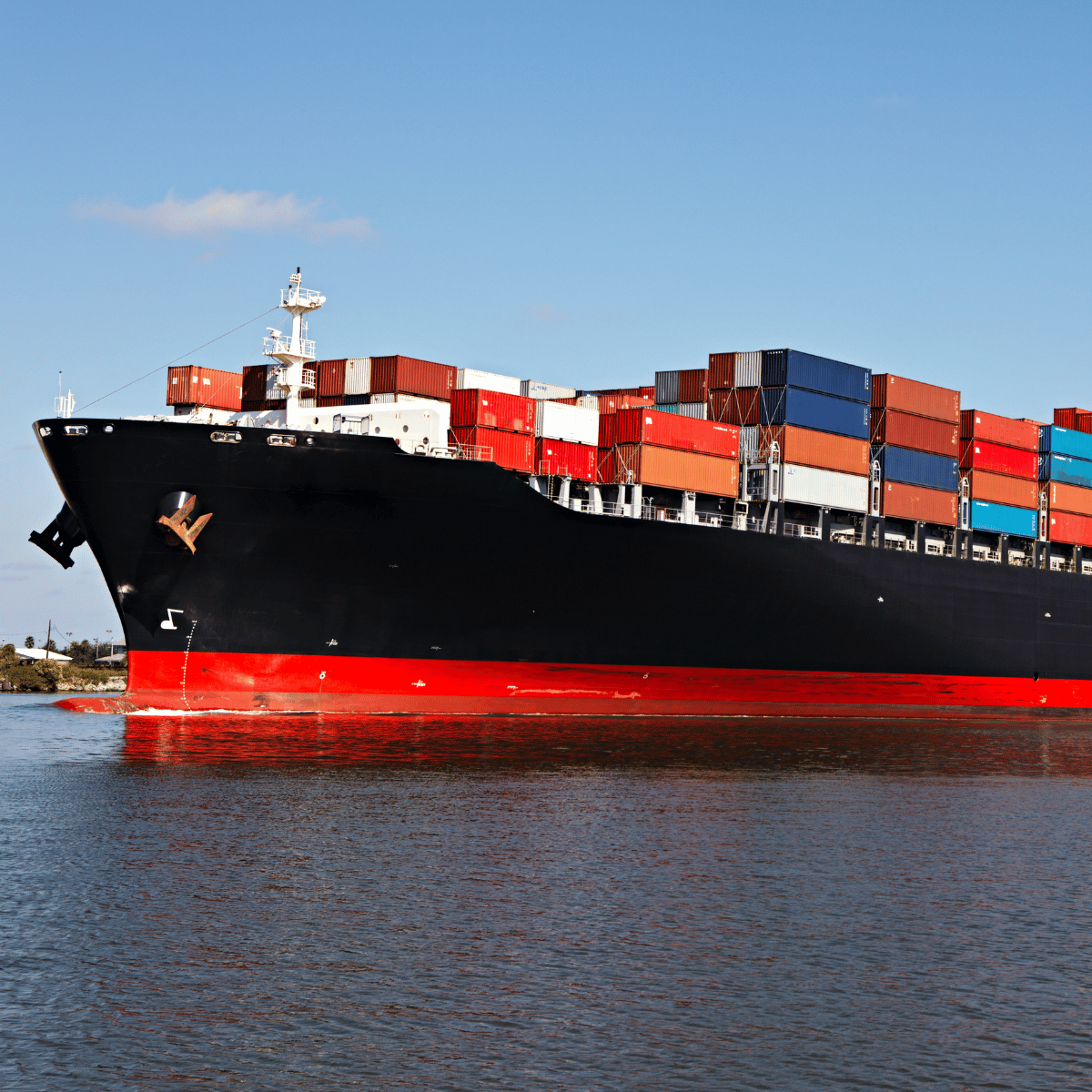
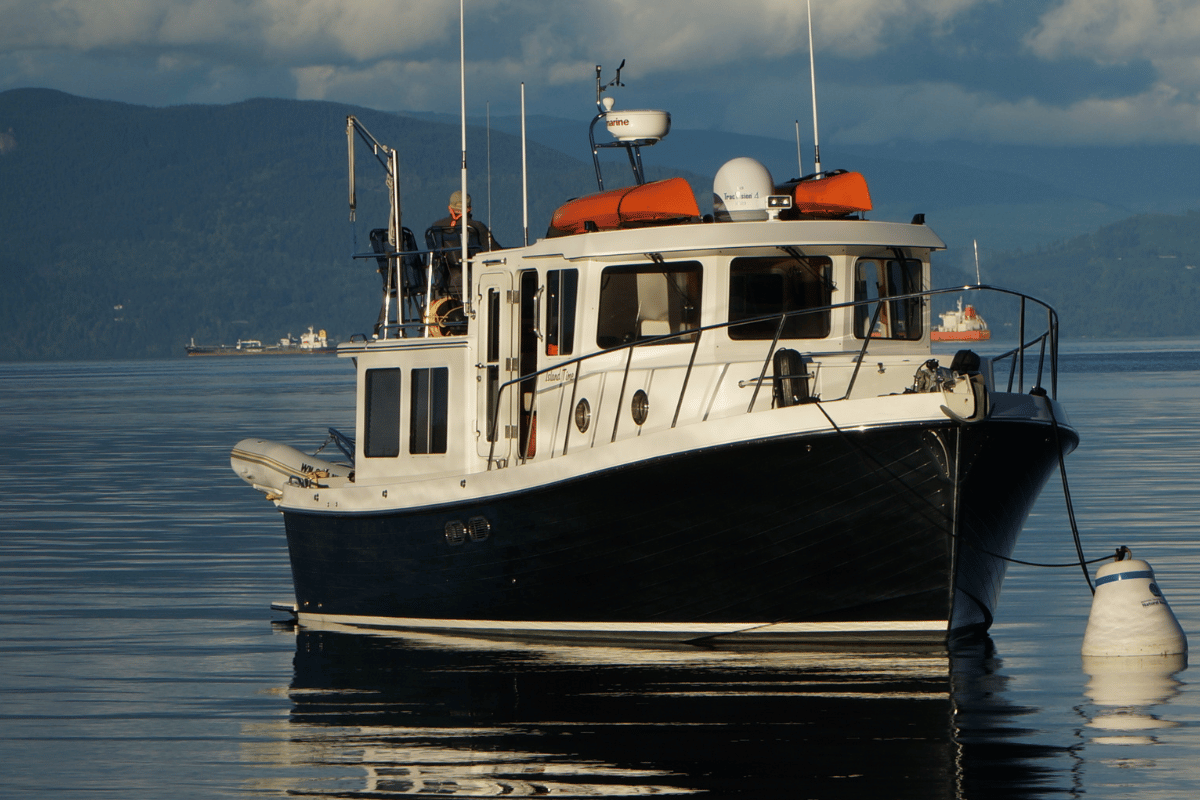
Marine wastewater originates from a variety of sources, each presenting unique environmental challenges. Commercial shipping vessels generate wastewater streams such as sewage, graywater, bilge water, and ballast water. Without proper treatment, these discharges can introduce pollutants and invasive species into marine ecosystems.
Coastal industries, including manufacturing plants, petroleum facilities, seafood processors, and power generation stations, also produce wastewater that may eventually reach marine environments. Municipal wastewater treatment plants located near coastlines represent another significant source of marine discharge.
Offshore oil and gas platforms generate produced water containing hydrocarbons, treatment chemicals, and suspended solids that require careful monitoring before disposal.
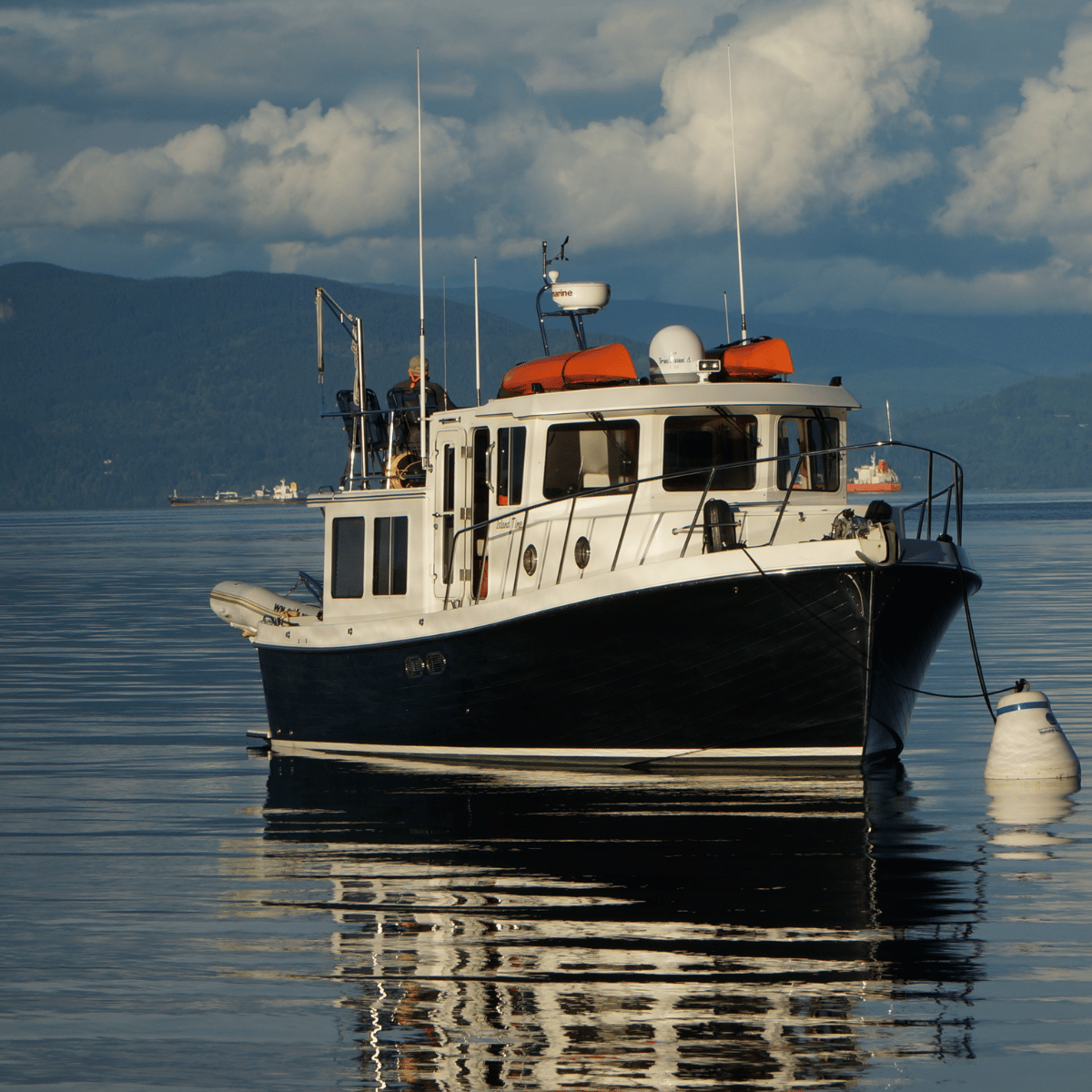
Marinas, ports, cruise terminals, and shipyards further contribute to marine wastewater generation through vessel maintenance activities, fueling operations, and stormwater runoff.
Given the diversity of wastewater sources, marine environmental monitoring programs must be tailored to specific operational conditions and regulatory requirements.
Key Contaminants Analyzed During Marine Wastewater Testing
Effective marine wastewater testing requires laboratories to analyze a broad range of physical, chemical, and biological contaminants. The specific parameters tested often depend on the wastewater source and applicable environmental regulations.
One of the most important categories involves nutrient analysis. Excess nitrogen and phosphorus entering marine waters can trigger eutrophication, resulting in harmful algal blooms, oxygen depletion, and fish kills. Nutrient monitoring is particularly important near coastal communities and aquaculture operations.
Heavy metals such as mercury, cadmium, lead, copper, zinc, and chromium are also commonly analyzed. These contaminants may originate from industrial activities, vessel maintenance, antifouling paints, or stormwater runoff. Because heavy metals accumulate in marine organisms and sediments, they can create long-term ecological and human health concerns.
Hydrocarbon testing is essential for ports, shipping operations, and offshore facilities. Petroleum products, oils, grease, and fuel residues can severely damage marine habitats and wildlife. Even low concentrations may negatively affect fish, seabirds, and marine mammals.
Laboratories also routinely test for suspended solids, pH, salinity, Biological Oxygen Demand (BOD), Chemical Oxygen Demand (COD), and dissolved oxygen. These parameters provide valuable insight into overall wastewater quality and treatment performance.
Microbiological analysis is another critical component of marine wastewater testing. Wastewater may contain harmful pathogens, including bacteria, viruses, and parasites that threaten marine ecosystems and public health. Recreational waters, shellfish harvesting areas, and coastal communities are particularly vulnerable to microbial contamination.
Increasingly, laboratories are also testing for emerging contaminants such as pharmaceuticals, microplastics, PFAS compounds, pesticides, and personal care products. Growing concern about these persistent pollutants is driving advancements in marine environmental monitoring programs worldwide.
Laboratory Methods Used in Marine Wastewater Testing
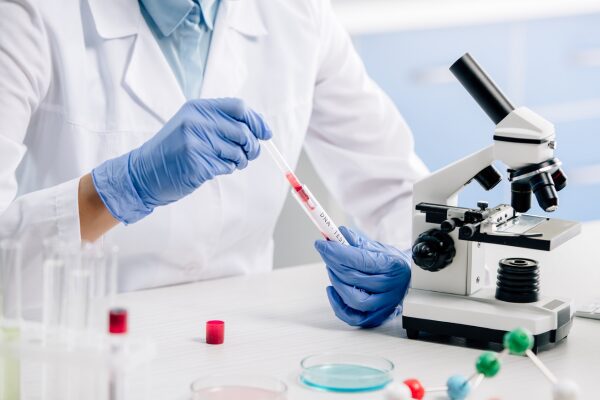
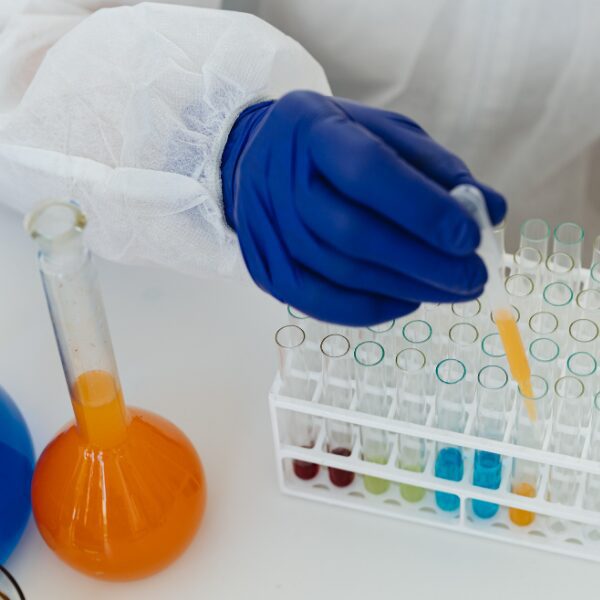
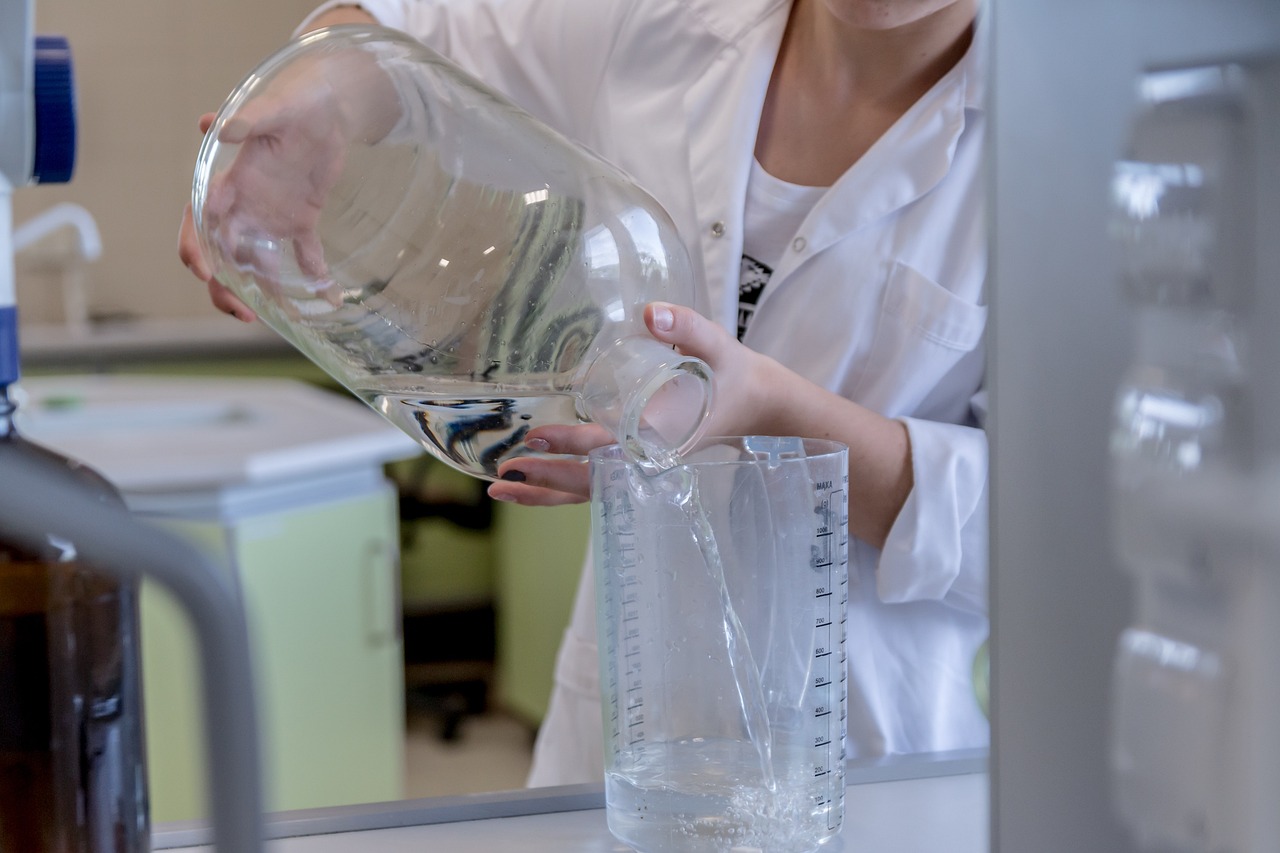
Modern laboratories utilize sophisticated analytical technologies to ensure accurate and reliable marine wastewater analysis. Sample collection procedures are carefully designed to preserve sample integrity and represent actual discharge conditions.
Physical water quality measurements such as pH, temperature, turbidity, conductivity, and dissolved oxygen are often performed immediately following sample collection. These measurements provide important baseline information regarding wastewater characteristics.
Chemical analyses typically involve advanced instrumentation. Inductively Coupled Plasma Mass Spectrometry (ICP-MS) is widely used to detect trace levels of heavy metals in marine wastewater. Gas Chromatography-Mass Spectrometry (GC-MS) helps identify petroleum hydrocarbons, volatile organic compounds, and other chemical contaminants.
Nutrient analyses frequently employ spectrophotometric techniques to measure nitrogen and phosphorus concentrations accurately. Biological Oxygen Demand testing involves incubating samples to determine oxygen consumption by microorganisms, while Chemical Oxygen Demand testing provides a rapid estimate of organic pollution levels.
For microbiological testing, laboratories use membrane filtration, culture-based methods, and molecular techniques such as Polymerase Chain Reaction (PCR) to identify harmful microorganisms.
As environmental monitoring requirements evolve, many laboratories are adopting high-resolution mass spectrometry and advanced chromatographic methods capable of detecting emerging contaminants at extremely low concentrations.
Regulatory Requirements for Marine Wastewater Discharges
Marine wastewater discharges are subject to stringent environmental regulations at international, national, and regional levels. Regulatory frameworks are designed to minimize pollution and preserve marine ecosystem health.
International maritime activities are largely governed by the International Convention for the Prevention of Pollution from Ships (MARPOL), established by the International Maritime Organization. MARPOL establishes standards for managing sewage, oily waste, garbage, and other ship-generated pollutants.
In the United States, marine wastewater discharges are regulated under the Clean Water Act and administered by the United States Environmental Protection Agency. Facilities discharging wastewater into marine waters often require permits under the National Pollutant Discharge Elimination System (NPDES).
State environmental agencies may impose additional monitoring requirements, particularly in ecologically sensitive coastal regions.
Failure to comply with marine wastewater regulations can result in significant penalties, cleanup costs, legal liabilities, and reputational damage. Consequently, routine marine wastewater testing is essential for demonstrating compliance and maintaining environmental stewardship.
The Role of Marine Wastewater Testing in Environmental Monitoring
Environmental monitoring programs depend heavily on reliable wastewater testing data to assess ecosystem health and identify pollution trends. Continuous monitoring allows scientists and regulators to track changes in water quality over time and evaluate the effectiveness of pollution control measures.
Marine wastewater testing helps environmental professionals identify contamination hotspots, determine pollutant sources, and prioritize remediation efforts. Monitoring data also supports environmental impact assessments for coastal development projects, offshore operations, and industrial activities.
Long-term monitoring programs are particularly important in sensitive environments such as estuaries, coral reefs, shellfish harvesting areas, and marine protected areas. Early detection of contamination enables rapid intervention, minimizing ecological damage and supporting ecosystem recovery.
Additionally, marine wastewater testing contributes valuable information for climate resilience planning, habitat restoration initiatives, and sustainable coastal resource management.
Emerging Trends in Marine Wastewater Testing
Technological advancements are transforming marine environmental monitoring. Real-time water quality monitoring systems equipped with sensors now allow continuous measurement of parameters such as dissolved oxygen, pH, salinity, and turbidity.
Remote sensing technologies, autonomous underwater vehicles, and satellite-based monitoring systems are increasingly being integrated into marine monitoring programs to provide broader environmental coverage.
Artificial intelligence and predictive analytics are also improving marine wastewater management by identifying trends, forecasting pollution events, and optimizing treatment system performance.
Growing concerns surrounding microplastics, PFAS, and pharmaceutical contaminants are expanding the scope of marine wastewater testing. Regulatory agencies and research institutions continue to develop new analytical methods capable of detecting these emerging pollutants with greater precision.
As environmental expectations continue to rise, organizations that invest in advanced marine wastewater monitoring technologies will be better positioned to meet regulatory requirements and support long-term sustainability goals.
Best Practices for Effective Marine Wastewater Monitoring
Successful marine environmental monitoring programs require more than periodic sampling. Organizations should establish comprehensive testing schedules based on operational risks, regulatory obligations, and environmental sensitivity.
Working with accredited environmental laboratories ensures analytical accuracy and regulatory acceptance. Facilities should also maintain robust quality assurance procedures, regularly inspect treatment systems, and train personnel responsible for wastewater management.
Data collected through marine wastewater testing should be reviewed continuously to identify trends, detect anomalies, and support informed environmental decision-making.
Proactive monitoring not only protects marine ecosystems but also strengthens regulatory compliance, enhances corporate sustainability initiatives, and demonstrates environmental responsibility to stakeholders.
Marine ecosystems are essential to global environmental health, economic prosperity, and human well-being. However, increasing wastewater discharges from industrial, municipal, and maritime sources continue to threaten these valuable resources.
Marine wastewater testing serves as a critical tool for environmental monitoring by identifying contaminants, evaluating treatment effectiveness, and ensuring compliance with environmental regulations. Through comprehensive testing and proactive monitoring, organizations can minimize pollution risks, protect marine biodiversity, and contribute to the long-term sustainability of coastal and ocean ecosystems.
As environmental regulations become more stringent and public expectations for sustainability continue to grow, marine wastewater testing will remain a cornerstone of effective environmental stewardship and responsible marine resource management.
About Us
Precision Analytical Labs is a leading provider of comprehensive environmental testing services, specializing in wastewater testing, soil analysis, and air quality monitoring. With state-of-the-art facilities and a team of experienced professionals, we deliver accurate and reliable results to help businesses and industries comply with regulatory standards and protect the environment. Our commitment to quality and customer satisfaction sets us apart, making us the trusted partner for all environmental testing needs.
Frequently Asked Questions
What marine wastewater testing services does PAL offer?
Precision Analytical Laboratories provides comprehensive wastewater testing for vessel operators, shipyards, and marine manufacturers including military, cruising, fishing, and cargo vessels. We test for pH, SVOCs, RCRA 8 metals, FOG, cyanide, TCLP, and more.
Is PAL accredited for marine wastewater testing?
Yes. PAL holds PJLA/TNI accreditation, Washington State Department of Ecology lab certification, and ISO 17025:2017 certification. Our accreditation ensures your test results meet all regulatory and compliance requirements.
How quickly can PAL return marine wastewater test results?
PAL offers fast turnaround times on all wastewater testing. Contact us at (425) 740-4597 for current turnaround estimates based on your specific testing needs.
Does PAL serve marine businesses outside of Washington State?
Yes. While we are based in Snohomish County, Washington, we work with marine and maritime clients throughout Washington State and beyond.
Have more questions? Contact Precision Analytical Laboratories at (425) 740-4597 or request a consultation.