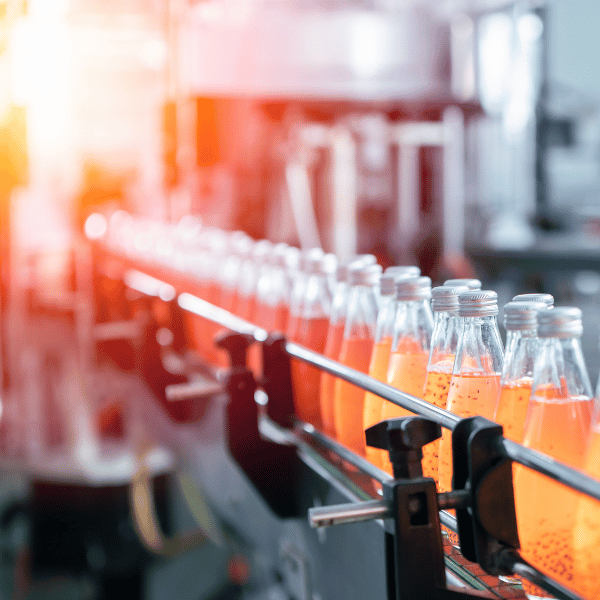
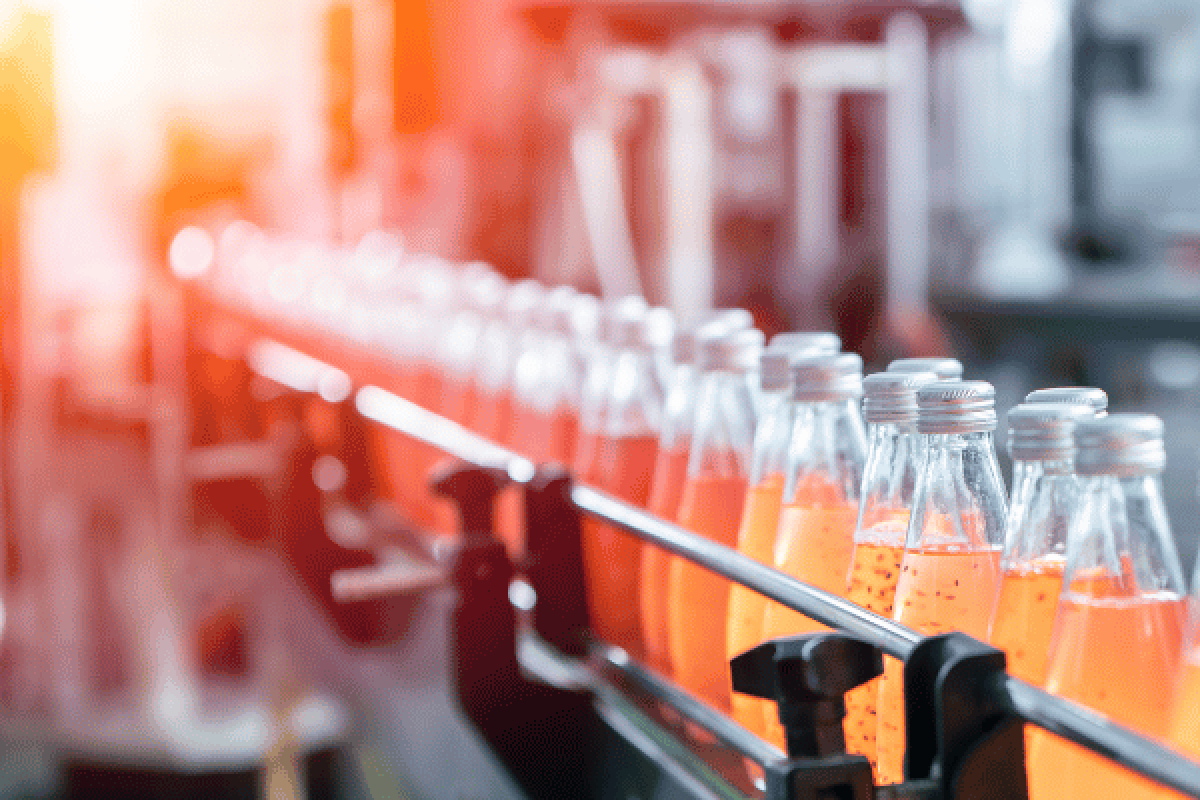
The food and beverage industry is one of the most essential sectors worldwide, providing products that people rely on every day. However, behind the scenes of production lies a significant environmental responsibility managing wastewater effectively. From dairy plants and breweries to meat processing units and beverage manufacturers, these facilities generate large volumes of wastewater rich in organic matter, fats, chemicals, and cleaning agents.
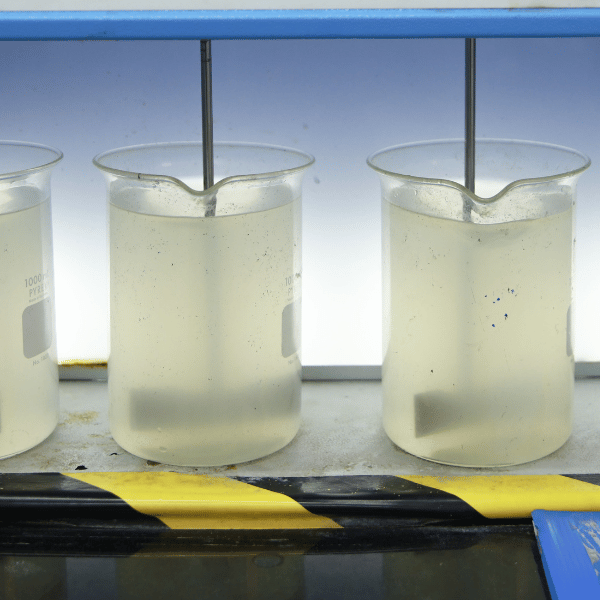
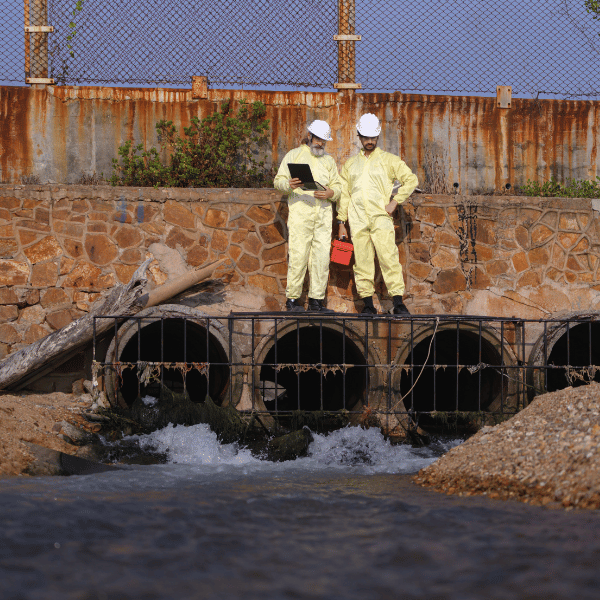
To ensure compliance, protect the environment, and maintain operational efficiency, businesses must invest in reliable Wastewater testing services and partner with a certified Wastewater testing lab. Understanding how wastewater testing works and why it matters is key to running a responsible and sustainable operation.
Understanding Wastewater in Food & Beverage Facilities
Wastewater in food and beverage facilities is primarily generated during processing, cleaning, rinsing, and sanitation activities. Unlike many other industries, this sector produces wastewater that is heavily loaded with organic materials such as sugars, starches, proteins, oils, and fats.
For example:
- Dairy plants discharge milk residues and fats
- Breweries release sugars and yeast
- Meat processing units generate blood, fats, and tissue particles
- Beverage manufacturers produce sugary effluents and additives
While much of this waste is biodegradable, high concentrations can overwhelm treatment systems and harm aquatic ecosystems if discharged untreated.
Why Wastewater Testing Is Critical
Regulatory Compliance
Food and beverage facilities are subject to strict environmental regulations governing wastewater discharge. These rules set limits on parameters such as Biological Oxygen Demand (BOD), Chemical Oxygen Demand (COD), Total Suspended Solids (TSS), and pH levels.
Professional Wastewater testing services help facilities stay within permissible limits and avoid fines, penalties, or shutdowns.
Environmental Protection
Untreated or poorly treated wastewater can lead to oxygen depletion in water bodies, harming aquatic life and disrupting ecosystems. Nutrient-rich wastewater can also cause algal blooms, leading to eutrophication.
Regular testing through a trusted Wastewater testing lab ensures that harmful contaminants are identified and controlled before discharge.
Operational Efficiency
Wastewater testing provides valuable insights into production processes. High pollutant levels may indicate inefficiencies, leaks, or excessive use of raw materials.
By using Wastewater testing services, facilities can optimize their processes, reduce waste, and improve overall efficiency.
Cost Management
Early detection of wastewater issues helps prevent costly treatment upgrades, equipment damage, or regulatory violations. Routine testing allows facilities to address problems before they escalate.
Key Parameters Tested in Food & Beverage Wastewater
1. Biological Oxygen Demand (BOD)
BOD measures the amount of oxygen required by microorganisms to break down organic matter in water. Food and beverage wastewater typically has high BOD due to organic waste.
Elevated BOD levels can deplete oxygen in receiving water bodies, making this a critical parameter monitored by any Wastewater testing lab.
2. Chemical Oxygen Demand (COD)
COD indicates the total amount of oxygen needed to chemically oxidize both biodegradable and non-biodegradable substances.
It provides a faster and broader assessment compared to BOD, making it an essential metric in Wastewater testing services.
3. Total Suspended Solids (TSS)
TSS measures the concentration of solid particles suspended in wastewater. High levels can clog pipes, reduce light penetration in water bodies, and affect aquatic life.
Routine testing helps ensure proper filtration and sedimentation processes are in place.
4. Fats, Oils, and Grease (FOG)
FOG is a major concern in food processing facilities. It can accumulate in pipelines, causing blockages and increasing maintenance costs.
A reliable Wastewater testing lab can monitor FOG levels and recommend effective removal strategies such as grease traps or dissolved air flotation systems.
5. pH Levels
Maintaining proper pH levels is essential for effective wastewater treatment. Extreme pH levels can harm biological treatment processes and damage infrastructure.
Testing ensures wastewater remains within acceptable limits.
6. Nutrients (Nitrogen and Phosphorus)
Food and beverage wastewater often contains nutrients that, in excess, can cause environmental issues like algal blooms.
Monitoring these levels through Wastewater testing services helps prevent ecological damage.
7. Temperature
Temperature affects chemical reactions and biological activity in wastewater treatment systems. Elevated temperatures can reduce dissolved oxygen levels and impact treatment efficiency.
Common Challenges in Wastewater Management
High Organic Load
Food and beverage facilities produce wastewater with high organic content, which can overwhelm treatment systems if not properly managed.
Variable Wastewater Composition
The composition of wastewater can vary significantly depending on production cycles, cleaning schedules, and product types. This makes consistent monitoring essential.
Cleaning Chemicals and Sanitizers
The use of cleaning agents and disinfectants introduces additional chemicals into wastewater, which may interfere with treatment processes.
Seasonal Production Variations
Facilities that experience seasonal demand may see fluctuations in wastewater volume and composition, requiring adaptive testing and treatment strategies.
How Regular Testing Catches Problems Early
Early Detection of Process Inefficiencies
Routine testing can reveal spikes in pollutant levels, indicating issues such as equipment malfunction or excessive raw material usage.
Preventing System Overload
Monitoring key parameters helps ensure that treatment systems are not overloaded, reducing the risk of failure.
Supporting Preventive Maintenance
Testing data allows facilities to schedule maintenance proactively rather than reactively, saving time and costs.
Ensuring Consistent Compliance
With regular reports from a Wastewater testing lab, facilities can maintain consistent compliance with environmental regulations and be prepared for inspections.
Choosing the Right Wastewater Testing Partner
Selecting the right provider for Wastewater testing services is essential for accurate results and reliable support. Here are some factors to consider:
- Accreditation and certifications
- Experience in the food and beverage industry
- Range of testing capabilities
- Quick turnaround times
- Ability to provide actionable insights
A professional Wastewater testing lab should not only deliver accurate data but also help interpret results and recommend improvements.
Best Practices for Food & Beverage Facilities
To ensure effective wastewater management, facilities should adopt the following practices:
- Implement routine wastewater monitoring programs
- Train staff on waste reduction and proper disposal
- Install pre-treatment systems such as grease traps
- Optimize cleaning processes to reduce chemical usage
- Maintain detailed records of testing and compliance
These steps, combined with expert Wastewater testing services, can significantly improve environmental performance.
The Future of Wastewater Testing in the Food Industry
As sustainability becomes a priority, the food and beverage industry is increasingly adopting advanced technologies for wastewater management. Innovations such as real-time monitoring, automated sampling, and data analytics are transforming how facilities track and manage wastewater.
Partnering with a forward-thinking Wastewater testing lab ensures that facilities stay ahead of regulatory changes and industry trends.
Wastewater testing is not just a regulatory requirement for food and beverage facilities it is a vital component of responsible and efficient operations. From monitoring organic loads and grease levels to ensuring compliance with environmental standards, regular testing provides the insights needed to make informed decisions.
By investing in reliable Wastewater testing services and working with a trusted Wastewater testing lab, facilities can protect the environment, reduce costs, and enhance operational efficiency. In an industry where quality and responsibility go hand in hand, effective wastewater management is no longer optional; it is essential.
Get Started with Accredited Wastewater Testing
Whether your facility needs a one-time compliance test, a recurring monitoring program, or help characterizing a new waste stream, Precision Analytical Laboratories has the expertise, accreditation, and turnaround time to support your needs.
We’ve spent the past five years working with Washington State’s most demanding industries — from naval shipyards and food processors to manufacturers and municipal utilities — delivering the accurate, defensible data they need to stay compliant and protect the environment.
Contact Precision Analytical Laboratories today:
📞 (425) 740-4597 | Mon–Fri: 6AM–5PM
📍 3430 16th Street, Everett, WA 98201
Precision Analytical Laboratories is ISO/IEC 17025:2017 accredited, Washington State Department of Ecology certified, and TNI-accredited. All wastewater testing is performed in accordance with applicable EPA methods and Standard Methods for the Examination of Water and Wastewater.
Frequently Asked Questions
What wastewater tests does PAL perform for food and beverage facilities?
PAL tests food and beverage wastewater for pH, BOD, FOG (fats, oils, and grease), RCRA 8 metals, cyanide, organochlorine pesticides, TSS, and more. We serve food processing plants, breweries, wineries, dairies, and packaging facilities.
Why is wastewater testing important for food processing plants?
Food processing wastewater often contains high levels of BOD/COD, FOG, suspended solids, nutrients, and cleaning chemicals. Regular testing ensures compliance with local discharge permits and prevents costly fines, shutdowns, and environmental damage.
Can PAL help with food industry wastewater compliance?
Yes. PAL delivers detailed, actionable reports that help food and beverage facilities maintain compliance with local, state, and federal wastewater discharge regulations.
How does PAL handle sample collection for food processing plants?
Clients can deliver samples to our Everett, WA lab, or in some cases our team can pick up samples on-site at no additional cost. Contact us at (425) 740-4597 to arrange sample collection.
Have more questions? Contact Precision Analytical Laboratories at (425) 740-4597 or request a consultation.